

When most brands brief a packaging project, they make the same mistake: they pour nearly all their budget and energy into “visual design”. Stunning color palettes, striking illustrations, fashionable layouts — everything aimed at winning that first second of attention on the shelf.
Attractive packaging certainly earns its keep — it pulls the eye fast. Yet for everyday consumer goods that are manufactured in huge volumes, transported across regions and sold over months, appearance alone is only half the story. Design wins the first look; structural engineering determines whether the pack survives the line, ships without damage and drives repurchases.
Many product launches that failed were never held back by bad looks — they were sunk by poorly engineered structure. Packaging that appears flawless in a render can quietly become a cost black hole once it reaches the production floor and the logistics network:
Take rice and nut pouches for dry goods: they burst or spring leaks after being palletized and shipped over long distances, and whole batches end up returned and discarded — one incident alone can wipe out tens or even hundreds of thousands of yuan. Or consider creatively styled spouted pouches for liquids that turn out to have fragile seals; on automated filling lines they crack at the edges, foul the equipment, slow down output and waste drum after drum of raw product.
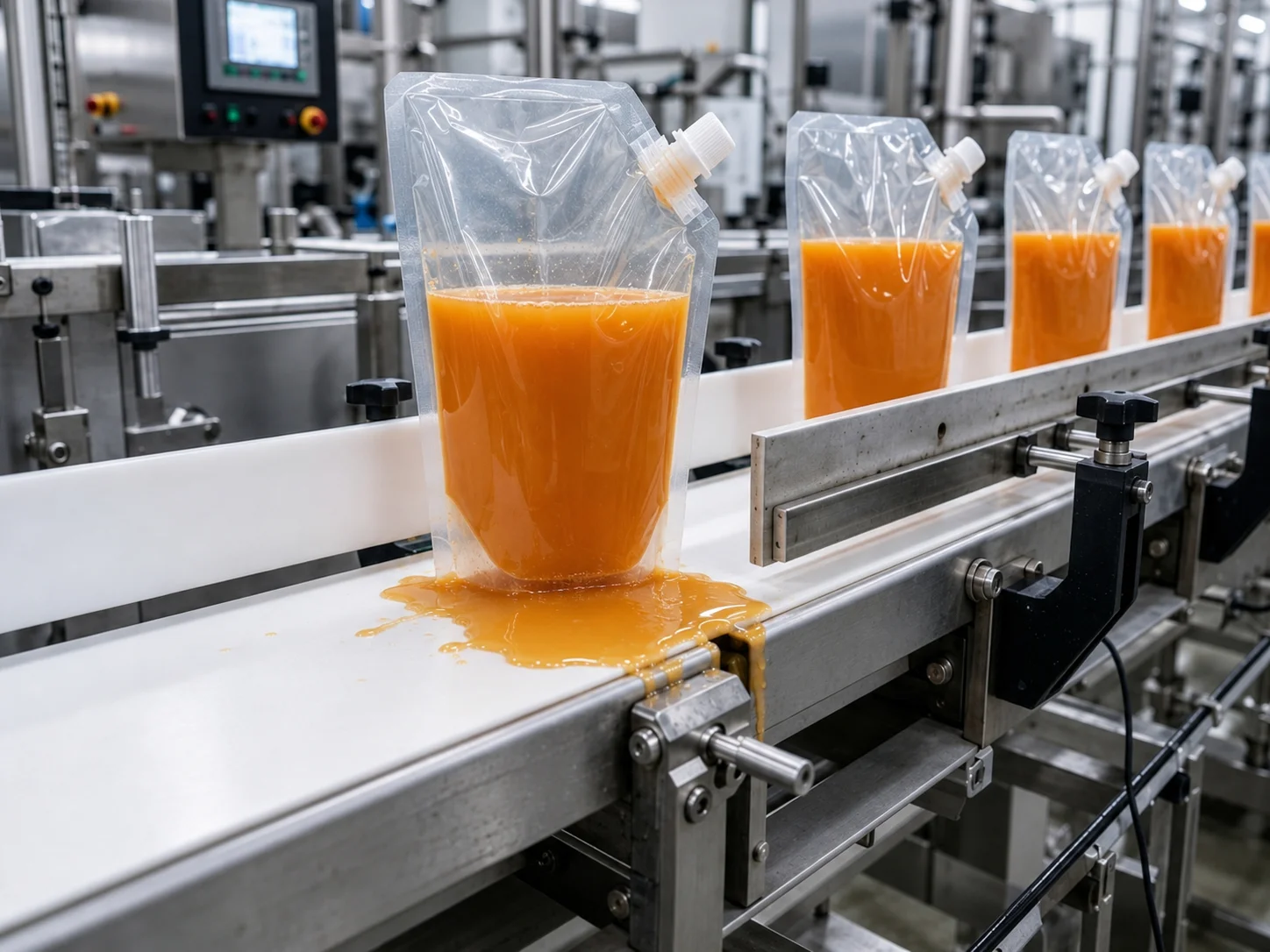
None of these failures comes from a bad design concept. The real culprit is a design process that ignores the packaging’s structural skeleton from day one.
Two opposing approaches coexist in the packaging world. Average factories start with the artwork and bolt a structure on afterwards; experienced industrial packaging houses fix the structural process first and handle the visuals last. Packaging that performs on the shelf, survives the journey and rolls off the line at low cost is never just a pretty drawing — it is an integrated engineering effort that combines strategy consulting, structural design and visual polish.
1. What is packaging structural engineering? The hardcore “underlying skeleton” of packaging
Think of graphic design as the packaging’s outfit, and structural engineering as the frame and sinews underneath.
Structural engineering brings mechanics, material science and line-compatibility thinking together, using careful calculation to lock in every critical parameter: length-to-width-to-height ratios, seal edge widths, bottom gusset sizes, multilayer laminate constructions and the attachment specifications for add-ons like zippers and spouts.
In short, it is the bridge that turns a two-dimensional concept into a package factories can run efficiently, carriers can move safely and shoppers can use without friction. No matter how beautiful the artwork, without a sound structure underneath the whole thing is a castle built on air.
To show what we mean, let us walk through two of the most common packaging categories and the structural details that decide whether a product succeeds.
2. Dry-goods stand-up zipper pouches: the golden logic of holding the shelf and surviving logistics
Dry goods — rice, nuts, pet food — are almost always packed in stand-up zipper pouches. The format looks plain and universal, yet a tiny deviation in dimensions or construction immediately shows up in poor shelf presentation and shipping damage.
1. Precise proportions: making packaging “stand steady and never topple” on the shelf
Plenty of brands have seen the same frustrating sight: identical pouch styles, yet a competitor’s filled bags stand straight and even while yours lean, tilt and wobble. In nearly every case the difference comes down to the bottom gusset — the flattened base structure.
Experienced engineers work from the product’s density, weight and flow characteristics: rice is heavy and compact, while nuts contain big air gaps and weigh little — the two call for completely different gusset widths and opening arcs. If the base is too narrow, the gusset cannot spread fully to support the load, the center of gravity drifts, and the bag tips over or buckles under pressure. The effect on perceived quality and buying decisions is quietly devastating.
2. Mechanical balance: seals that hold firmly and tear open easily
Pouches packed with heavy dry goods absorb serious internal shocks during transport and stack compression, which is exactly why bursting and leakage show up so often in this category.
Precise structural engineering controls the zipper position and the top seal width down to micron tolerances. Make the seal edge too slim and it cracks in transit; make it too broad and you shrink the usable capacity, waste film and push the cost up.
Combine that with carefully profiled easy-tear notches, and the pouch delivers two experiences at once: an impenetrable seal that survives the supply chain, and a pack consumers can open with no effort and reclose time after time. Practicality and usability work together, complaints fall and repeat purchases climb.
3. Liquid and pastespout pouch spouted pouches: sub-millimeter precision workmanship that holds the leak-proof line
For liquids and pastes such as detergent refills, juice and sauces, there is no room for structural error at all. Fluids migrate and seep; a single failure point under high-pressure automated filling, temperature changes or shipping compression can empty the whole batch into waste.
Most buyers assume that when a spouted pouch leaks, the body film is at fault. In practice, more than 90% of leak issues originate in the weld corners where the spout joins the film.
The cause lies in the materials themselves. A hard, injection-molded spout and a supple multilayer laminate are natural strangers; joining them into a permanent, leak-free bond cannot be handled with an off-the-shelf template. It demands bespoke structural work — engineers adjust the spout slot size and the shape of the sealing jaws so the film melts evenly and grips the spout joint completely.
Spouted pouches engineered this way run cleanly on high-speed filling lines and raise output efficiency, while holding up against temperature swings, pallet pressure and rough long-distance handling. Leaks, contamination and scrappage are taken off the table for the entire supply chain.
4. Both looks and strength: PURESTPACK’s full-chain solutions
Striking packaging builds brand appeal; dependable structure protects the bottom line. At PurestPack’s modern, clean production facility we follow one consistent principle — structure comes first, aesthetics second — and attack the industry’s real pain points at their source: bags that cannot stand, films that tear easily, production runs that waste time and material.
1. Packaging strategy consulting: tailor-made solutions
We start by studying the product itself — its physical traits, the filling machinery it will run on, its warehousing and distribution route, and where it is sold — separating dry goods from liquids and ambient from cold-chain items. Only then do we pair the right films, laminate structures and pouch formats. Problems are prevented during planning instead of discovered during production.
2. Structural engineering refinement: precision testing to eliminate failure
Using formal engineering drawings, precise dimensioning and mechanical calculation, and repeated prototyping with live tests on our own lines, we confirm that the packaging matches automated equipment exactly and runs steadily at scale — all while proving its compression strength, leak resistance and drop tolerance, which cuts logistics damage and product returns dramatically.
3. Visual design: aesthetics that power brand premium
Only after the structure is proven feasible, the process validated and mass production locked in do we add the youthful, distinctive visuals — the result is packaging that performs on the line and also stops shoppers in their tracks, carrying practicality and brand value in a single construction.
Conclusion
Industrial packaging has no room for luck. Every product that appears to succeed “naturally” actually stands on disciplined structural engineering and well-seasoned process know-how. A package that relies on looks alone burns out fast; but appealing design, sound structure and dependable processes working together carry a product from the production line, through storage and the shelf, into the customer’s hands without a hitch — and take the brand further and more steadily in the market.
Dealing with pouches that topple over, bags that burst or drip, high waste on the production floor or machines that reject your packaging? Reach out to PurestPack — we offer free packaging structure diagnostics, custom solution design and sampling support, so brands can remove supply-chain packaging problems at the source.