
Ground coffee presents a different packaging problem from whole beans. Grinding increases the surface area exposed to oxygen, and loose particles can reach the sealing area during filling. The buyer needs a film and a filling process that work together, then evidence from the finished pack. This article explains what to specify before choosing a ground-coffee pouch.
Define the coffee and the route to market
Start with the grind range, roast-to-pack interval, fill weight, packing equipment, and planned distribution period. State whether the line uses nitrogen flushing, a degassing step, or another process before sealing. Those details affect headspace and the practical value of a valve. Research on the diffusion of carbon dioxide from roasted and ground coffee shows that grinding changes gas release as well as exposure to oxygen.
Tell the pouch supplier how the coffee will be stored and shipped. A bag sold locally and opened soon after purchase may be specified differently from one that spends weeks in distribution. Include the market where the pack will be sold, because labeling and disposal claims depend on that destination. For the full range of coffee bag choices, start with PurestPack’s coffee packaging guide.
Compare candidate barrier structures
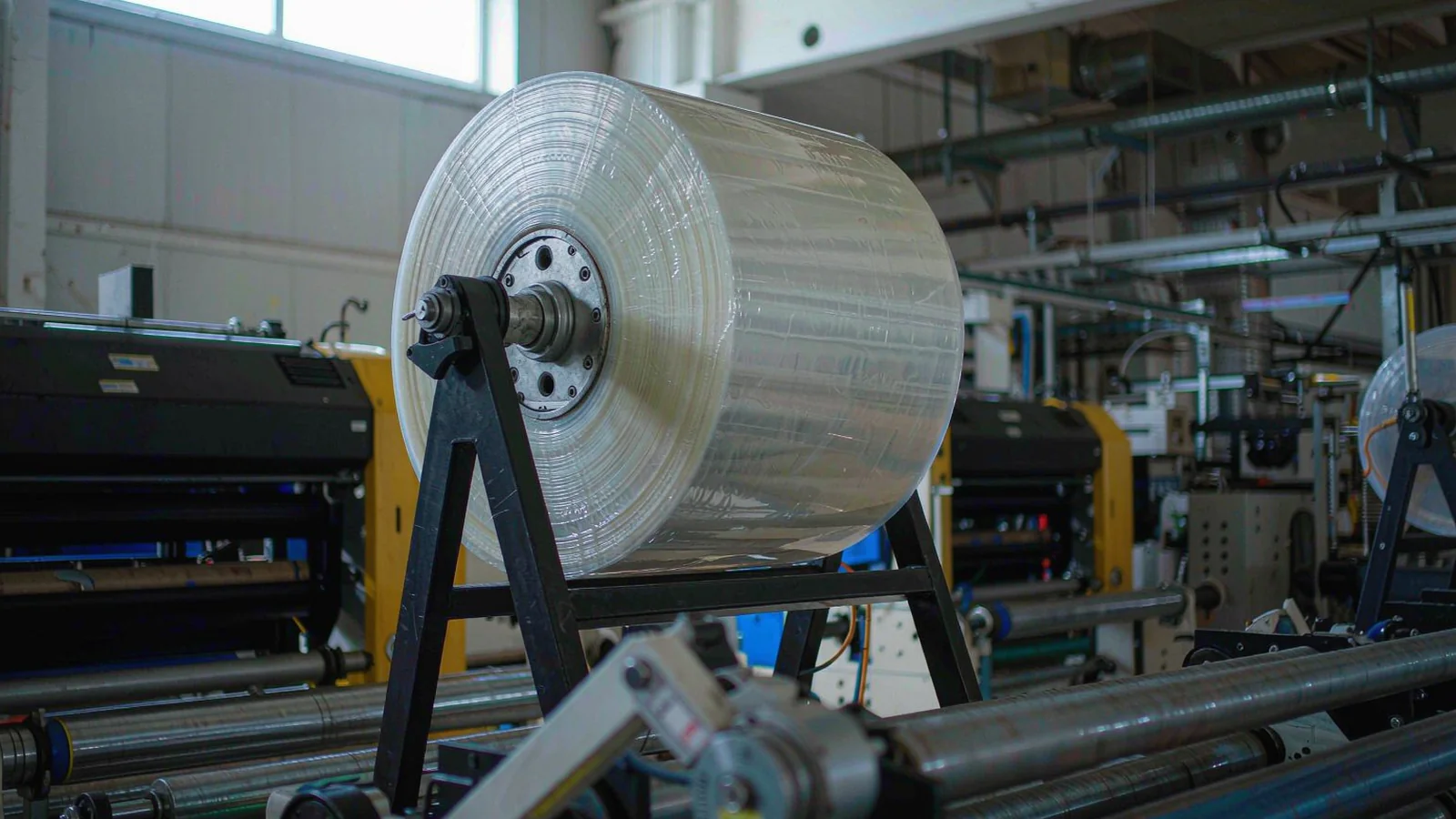
Foil laminates, metallized films and other barrier structures can all be considered, depending on the coffee and distribution plan. PurestPack’s reference catalog includes PET12/AL7/PE65 in automatic packaging rollstock and PET12/AL7/PE80 in a stand-up format. Those are reference constructions, not a promise that either is suitable for every ground-coffee order.
Ask for oxygen transmission rate (OTR) and water vapor transmission rate (WVTR) data for the proposed construction. Confirm whether those figures describe the complete laminate under relevant test conditions. A data sheet alone cannot show whether the filled pouch has a clean final seal or will survive handling. If you are evaluating a mono-material option, check barrier performance, components and the destination market’s actual collection route before making a recyclability claim.
Make the final seal part of the specification
Fine coffee particles can contaminate the sealing zone. During trials, run the intended grind through the actual filler and inspect packs made at normal line speed. Check that the line leaves a clean sealing area and that the bag design provides enough space above the fill for the final seal. Agree how seal integrity will be assessed before approving production.
A valve may be useful for a process that seals coffee while it is still releasing enough gas to create pressure in the pack. It should be selected against the coffee and packing schedule, then tested on the finished bag. A zipper is a separate decision about use after opening. Neither feature fixes a weak seal.
Choose the format and test it filled
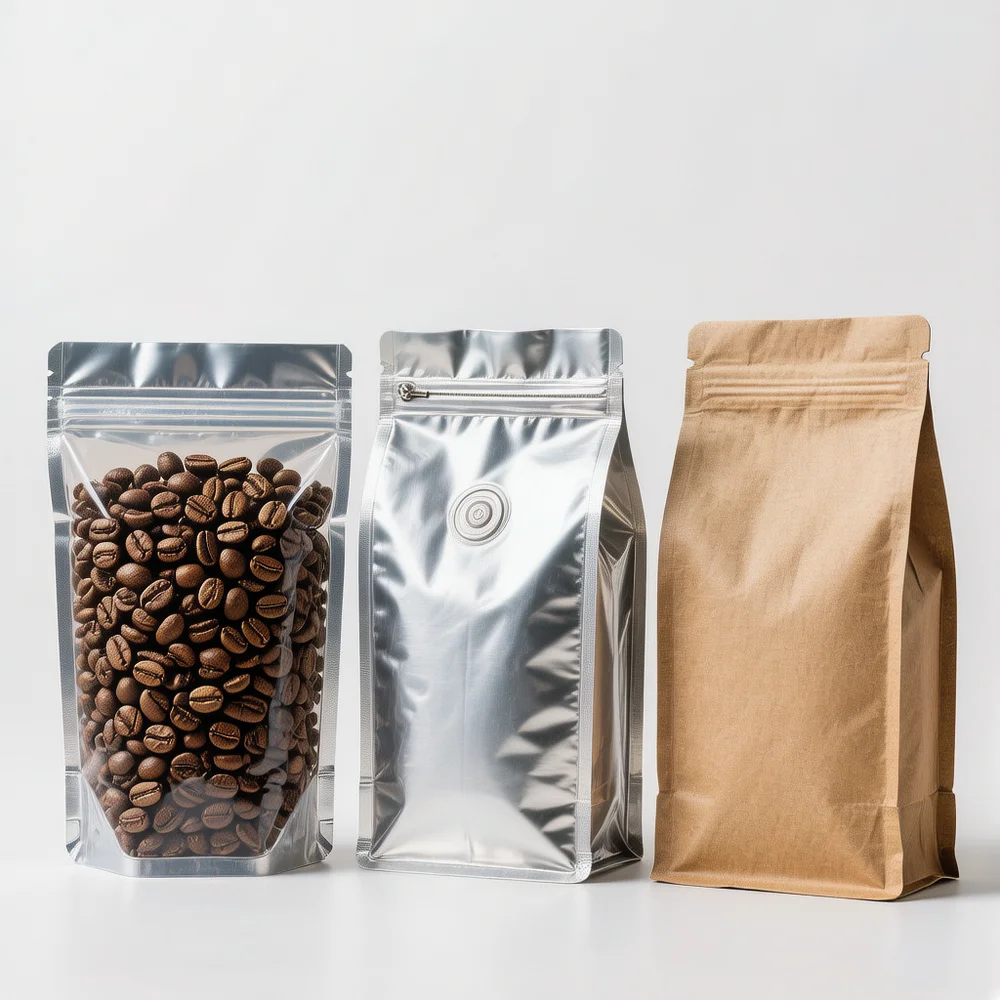
Stand-up, flat-bottom and quad-seal bags can all be developed for ground coffee. The best choice depends on target fill, shelf presentation, line handling and shipping. Compare filled samples: check bag stability, top-seal access, valve or zipper placement, and how the packs fit a shipping case. See PurestPack’s stand-up pouches, flat-bottom pouches and quad-seal coffee bag example for format options.
Approve the production route
Run a filled-pack trial using the proposed film, grind, sealing conditions and case pack. Check the final seal and record the agreed handling and storage checks. Keep samples from the trial under conditions that represent the intended route to market. Review the result against your own quality target before approving the material and pouch dimensions; a supplier cannot infer a universal shelf life from the material name alone.
PurestPack offers digital printing from 500 pieces and gravure printing from 5,000 pieces. For eligible orders, digital production takes 7–10 days and gravure production takes 15–20 days after final artwork approval. Sampling, revisions and shipping add time. To discuss a ground-coffee project, send PurestPack the coffee form, fill weight, packing process, target market, proposed quantity and artwork status.
FAQs
Should I request rollstock or preformed pouches for ground coffee?
Start with your filling equipment and target pack format. Trial the proposed material on the intended line before confirming bag dimensions and the production route.
Does nitrogen flushing remove the need for a valve?
Not necessarily. Share the roast-to-pack interval, any degassing step and the flushing process with the supplier. Assess gas release and pressure in finished packs before deciding whether a valve is needed.
How should I compare foil and metallized films for ground coffee?
Request OTR and WVTR data for each proposed complete laminate under stated test conditions. Then test filled packs through the intended handling and storage route; the material name alone does not establish suitability.
Can ground coffee weaken the final seal?
Fine particles can reach the sealing area during filling. Run the intended grind on the actual filler at normal line speed, check for trapped particles and assess seal integrity against criteria agreed before the trial.
How should I validate the pack for distribution?
Keep filled trial packs under conditions that represent storage and shipping. Record the agreed package checks and compare the results with your quality target before approving the material and dimensions.