
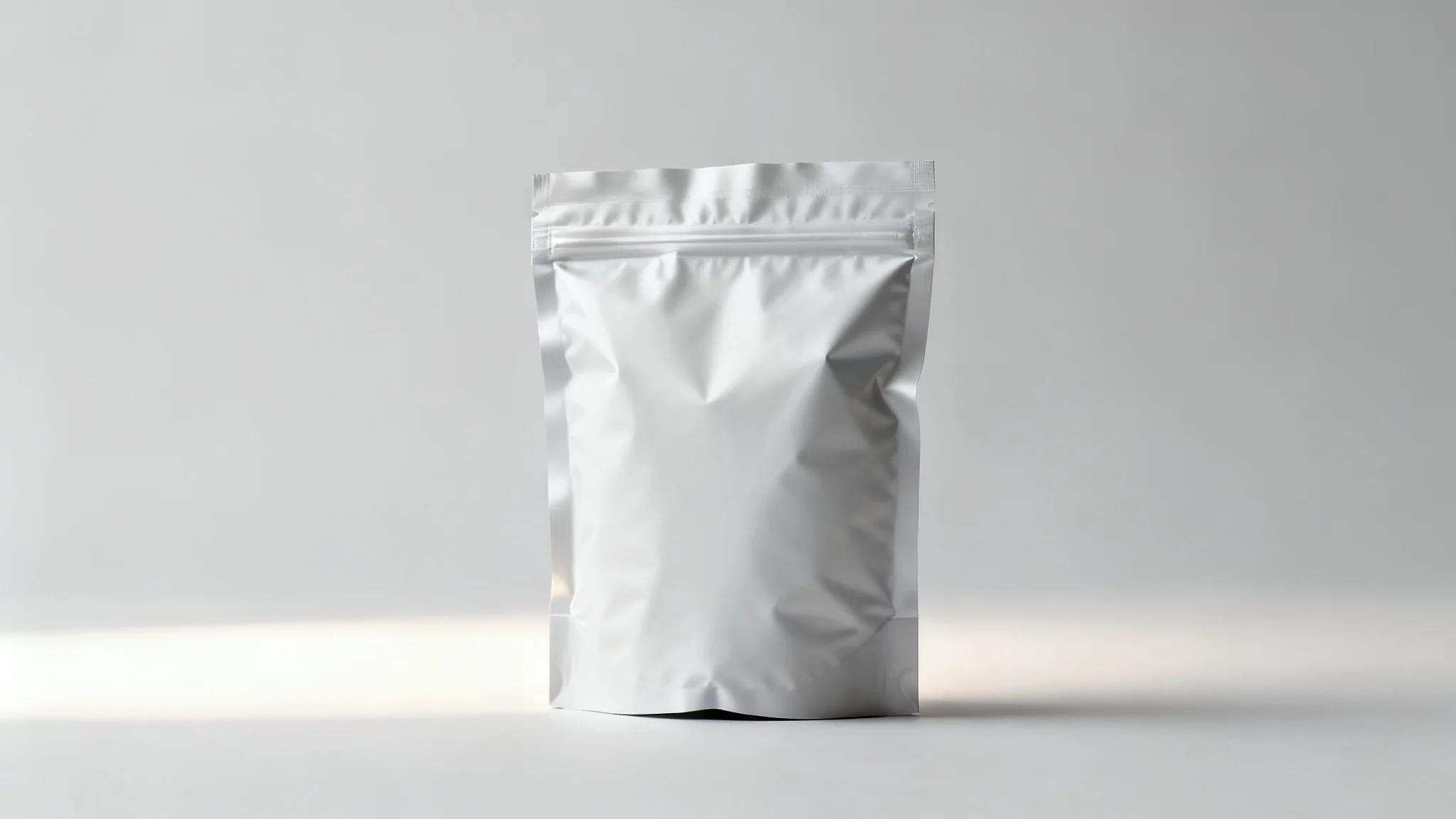
A one-to-five-liter liquid pouch is one of the hardest flexible formats to ship: dense enough to behave like a semi-rigid article, soft enough to shift shape under every load. Heavy liquid pouch testing therefore concentrates on two failure families — impact rupture at seals and corners, and slow creep under stacking — and both are reproducible in the lab when the plan mirrors the real distribution cycle. Build the sequence from how the packs actually travel, not from laboratory defaults.
Which Failures Do Drop and Stack Tests Catch First?
Drop tests surface the impact family. On a filled heavy pouch the standard damage points are corner seal bursts on a corner-first landing, bottom seal splits on a flat drop, handle welds peeling away from the film, and fitments cracking where the spout meets the shoulder. Because the liquid moves during impact, the load does not stay where the rigid container designer would expect; the pouch deforms, the fluid piles up against the far seal, and the peak stress can land two corners away from the contact point.
Stack and compression tests surface the slow family. Liquid hydrostatic pressure pushes constantly on the bottom and side seals, so a pack that survives a drop can still bulge over weeks in a warehouse until a seal creeps open or a carton wall gives way. This is why empty-carton compression numbers mislead on liquid packs: the test article has to be filled, conditioned and stacked the way the warehouse actually stacks it.
Key Takeaways
- Drop failures on heavy liquid pouches concentrate at corner seals, bottom seals and handle welds — inspect those three areas first after any drop series.
- Liquid creep under stacking damages seals over dwell time, so stack tests need filled packs and real dwell, not a short peak-load squeeze.
- Acceptance levels should come from a distribution survey of your own lanes, then be locked into the test plan before sampling.
- Temperature conditioning matters: cold warehouse film and hot van film fail differently at the same seal.
How High Should a One-to-Five-Liter Pack Be Dropped?
There is no universal height. Derive it from the distribution survey: bench handling in the filling plant, cart loading, van decks, retail backrooms. A common survey result for this size class is a series of drops from roughly waist height down to lower bench heights, but the honest number is whatever your crews actually do, measured once and written down. Distribution performance practice such as ASTM D4169 provides scheduled test sequences for shipping units, and its drop schedules give a defensible starting point when a customer survey is not yet available.
Orientations matter as much as height. A heavy liquid pouch should see flat drops onto the base, corner drops onto the most vulnerable corner, edge drops, and at least one drop onto the fitment side if the pack carries a spout. Concrete is the standard impact surface; a rubber mat turns a rupture into a pass and hides the weakness you were paying to find. After each drop, inspect the three damage points listed above, weigh the pack, and record any loss — a slow weep at a corner seal counts as a failure even when no oil reached the floor.
What Stacking Load Should a Heavy Liquid Pouch Take?
Stacking load on liquid packs is a creep question, not just a peak-load question. The compressive resistance of a filled shipping unit can be measured with a method such as ASTM D642, but the number that predicts field life is how the bottom pack holds up under sustained load over the warehouse dwell time. Liquid redistribution makes this worse than with dry goods: as the film relaxes, hydrostatic pressure keeps working the bottom and side seals, and bulge grows over days.
Test accordingly. Stack filled cartons to the real warehouse height, hold them for a dwell that matches storage practice, and inspect bottom units for bulge, seal displacement and carton wall failure. Then compare against a shorter high-load squeeze; if the pack passes the squeeze but creeps in dwell, the seal system or carton spec needs work, not the test. Set the acceptance level from the survey: warehouse stack height, dwell time, and climate — a hot dock changes film stiffness enough to move results.
Which Pallet Patterns Protect a Heavy Pouch?
The pouch never touches the pallet, so pallet protection is a carton and pattern question. Column stacking carries load straight down and suits square, stiff cartons; interlock patterns hold the pile together but introduce shear on lower layers. For heavy liquid packs the priorities are simple: zero pallet overhang, a carton compression rating verified with filled packs, and stretch-wrap tension that stabilizes without crushing corners. Mixed pallets — heavy liquid cartons under light goods — are the common field failure, so declare the pattern in writing if third-party warehouses build the pallets.
Where It Applies, and Where It Does Not
This test plan applies to pre-made heavy liquid pouches and rollstock liquid packs in the one-to-five-liter range shipped in cartons on pallets, across lubricants, sauces, refill liquids and similar dense fills. It also applies to spouted formats — custom spout pouches for dense liquids — with the fitment added to the inspection list. Handle verification belongs in the same series for any pack carried by hand; the heavy-duty pet bag handle-seal article shows the handle and bottom-seal checks in a different weight class.
It applies less directly to small sachets under two hundred milliliters, where carton-level tests dominate and unit drops are gentler, and to bag-in-box formats where the outer box carries the stacking load and the pouch plays a different role. In those cases borrow the conditioning and inspection logic but rebuild the sequence around the actual shipping unit.
Test Sequence and Acceptance Checklist
- Conditioning: fill with the real product or a viscosity-matched substitute; condition at warehouse and transport temperature extremes.
- Drop series: flat, corner, edge and fitment-side drops from surveyed heights onto concrete; inspect corner seals, bottom seals, handle welds and fitments after each.
- Stack dwell: filled cartons at surveyed height and duration; check bulge, seal displacement and bottom-unit condition.
- Transport simulation: vibration or a scheduled sequence where lanes justify it; recheck cap back-off and seal integrity after.
- Acceptance: no burst, no weep, fitment intact, cap back-off within limit — levels fixed before the first pack is dropped.
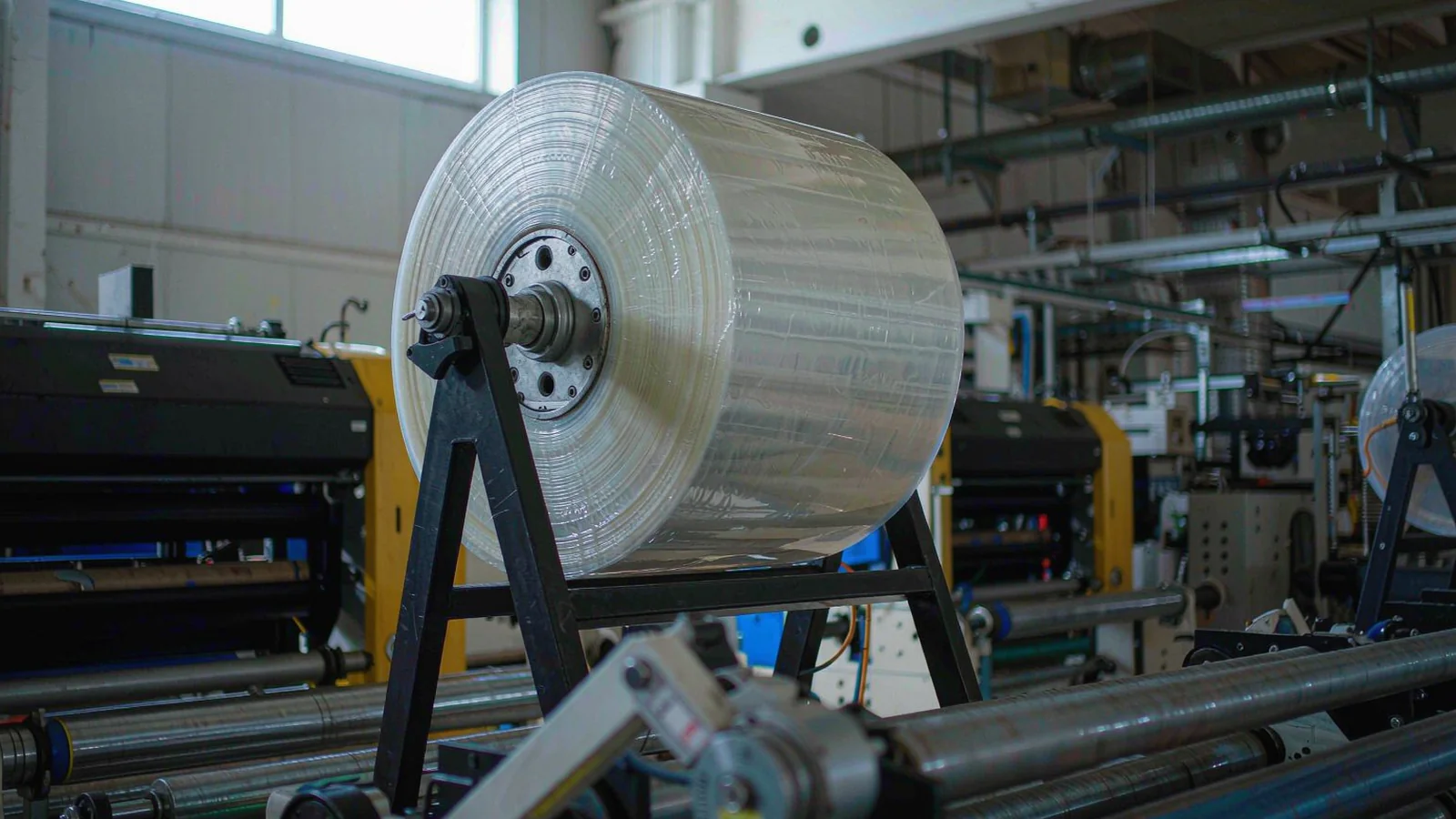
Material choice drives how much of this the structure survives; the liquid pouch material structure guide maps film families to load and barrier roles, and the mailer bag drop test article shows how a drop sequence is documented end to end on a lighter format.
Conclusion
Heavy liquid pouch testing is two tests run as one plan: a drop series that finds impact weak points at corners, bottom seals and handle welds, and a filled stack dwell that finds creep the squeeze test misses. Fix acceptance levels from a survey of your own lanes, condition at real temperatures, and inspect the same three seal areas after every run. Packs that clear that plan reach the field with the two dominant failure families already closed, and the remaining issues tend to be line and artwork matters rather than structural surprises.
Frequently Asked Questions
How many drop orientations does a heavy liquid pouch testing plan need?
At minimum four: flat on the base, the most vulnerable corner, an edge, and the fitment side if the pack carries a spout. A heavy liquid pouch testing plan earns its cost when it reproduces the worst real landing, and on liquid packs that is usually a corner-first drop where the fluid piles against a seal far from the contact point. Add orientations only when the survey shows unusual handling.
Can we substitute water for the real oil during drop and stack tests?
Sometimes, but only when viscosity and density are matched deliberately. Water is less lubricious than oil, wets seals differently and can change weep visibility, so a failed seal may show up later or earlier than with the real product. Use the real product when waste handling allows it; otherwise match density and viscosity at test temperature and validate the substitute once against real product on a small series.
Do stack tests on filled cartons replace pallet-level compression testing?
No, they answer different questions. Filled-carton stacking checks what the warehouse rack does to the bottom packs over the full dwell, including the slow seal creep that a short squeeze never shows. Pallet-level compression checks what transport, transloading and double-stacking do to the whole unit, where load paths run through carton walls rather than the film. Run the carton-level dwell first because it is cheaper and finds the failure that matters most; add pallet-level tests when lanes include transloading, double-stacking or long export routes, and treat the two results as separate acceptance records.
What acceptance criteria matter most after a drop series?
No burst and no weep come first, and a slow weep at a corner seal counts as a failure even when nothing reached the floor. Fitment integrity follows — a cracked spout shoulder fails the pack even if it did not leak during the test. Cap back-off after vibration closes the list. Fix these four levels in writing before the first drop, because acceptance decided after the test is not acceptance, it is negotiation.