

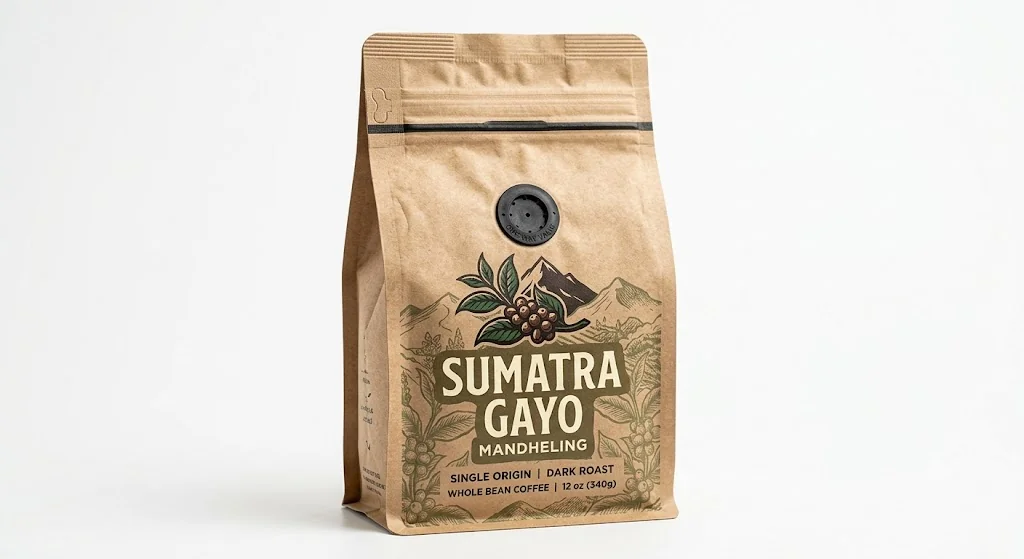
Selecting the right food pouch is one of the most consequential decisions a food brand can make. Look closely at any supermarket shelf and you will see the same category of products wrapped in strikingly different ways: some pouches feel sturdy and inviting, while others look flimsy enough to be passed over. Whether you run a food brand or manage procurement, you have probably asked yourself what kind of pouch your product actually needs. Get the choice right and the pack essentially markets itself; get it wrong and you may face not only weaker sales but also quality problems such as premature spoilage. In this article, we break down the five factors that matter most when choosing a food packaging pouch.
1. Food packaging pouch material selection: what kind of” outerwear your product needs”?
Food pouch materials fall into a handful of broad families: plastics such as PE, PP and PET, aluminum foil laminates, and paper. Each one brings its own set of trade-offs. PE pouches are soft and highly resistant to moisture, which makes them a natural fit for dry goods and powders at a modest price, though their tactile feel is unremarkable. PET pouches are strong and transparent, frequently used as the outer film for snacks and frozen foods. Foil laminate pouches deliver outstanding barrier protection and remain the preferred choice for coffee beans, nuts and tea that must stay fresh over long periods, at a higher cost. Paper, by contrast, is breathable and eco-friendly, well suited to bread, pastries and other short-shelf-life products, and it aligns neatly with the wider push toward sustainable packaging.
It is also worth noting that most modern food pouches are built as multi-layer laminates rather than a single film. The familiar PET/AL/PE construction is a good example: the outer PET layer supplies the printing surface and mechanical strength, the middle AL layer blocks oxygen and moisture, and the inner PE layer handles heat sealing. This combination delivers a practical balance of protection, strength and sealability, and it remains one of the most common specifications for custom food pouches. When comparing materials, weigh the characteristics of your product together with the conditions of shipping and warehousing, as well as any environmental requirements imposed by your target market.
2. Barrier performance: the key line of defense for freshness
Barrier performance sits at the heart of a food pouch’s job. Because products differ dramatically in how they react to oxygen, moisture and light, the barrier structure must follow the product itself. Freshly roasted coffee, for instance, is highly sensitive to oxygen and continues to release CO2 after roasting, which is why it typically calls for a high-barrier film fitted with a one-way degassing valve — gas can escape while outside air cannot enter, keeping the beans’ aroma and freshness intact. Nuts demand strong protection against both moisture and oxygen, and foil laminate pouches used together with oxygen absorbers form the most dependable, widely adopted solution.
Crispy snacks such as potato chips rely on nitrogen flushing to stay crisp, so the pouch’s resistance to nitrogen and oxygen loss is just as critical. If the barrier is inadequate, products can oxidize, take on moisture or soften well before the end of their shelf life, leading to returns and lasting damage to the brand. That is why it pays to tell the manufacturer your product category, the climate of your target market and your expected shelf life, and to let experienced engineers recommend a suitable barrier construction instead of guessing.
3. Printing process: packaging is your brand business card
On a crowded shelf, visual impact frequently decides which product gets picked up. Clean, vivid printing elevates a brand, while sloppy print quality can quietly undermine it. The two mainstream processes today are gravure and flexographic printing. Gravure reproduces colors with depth and precision, making it ideal for large-volume orders — the plate cost is higher, but the unit cost drops as quantities climb. Flexo offers more flexibility, suits small-to-medium runs, and brings shorter lead times and lower plate-change costs.
Whichever route you take, keep the printer in the loop from the design stage: agree on a color management plan and review proofs carefully so that the finished film matches the approved artwork. Meanwhile, water-based inks and biodegradable films are attracting growing attention from brands that want to convey a green message, and that is a genuine plus for brand image. If printing is unfamiliar territory, ask the packaging manufacturer for side-by-side sample comparisons before committing to a full production run.
4. Sealing method: details determine user experience
The way a pouch opens and recloses has a direct bearing on both freshness and how pleasant the product is to use. The common options are heat sealing, zipper closures and easy-tear openings. Heat sealing is the most basic and economical approach, producing a strong seal that suits single-use packs. Zippers let consumers open and close the pouch repeatedly while maintaining a reliable seal, which is why they are popular for products consumed over several sittings, such as frozen foods, snacks and pet food. Easy-tear notches make pouches quick to open without scissors, a convenience that matters a great deal in fast-moving consumer goods.
Match the closure to the way your product will actually be consumed. A large family-size pack benefits from combining a zipper with an easy-tear opening, while a single-serve pack aimed at office workers can get by with a simple heat seal plus a tear notch. Small as these details may seem, they noticeably influence whether customers come back for another purchase, so they deserve real thought.
5. Cost control: finding the balance between quality and budget
Packaging typically accounts for roughly 5% to 15% of a product’s total cost, and how well you manage it flows straight into your margins and pricing flexibility. The main cost drivers are the film structure itself (each extra layer adds cost), the number of print colors (each additional color can push up costs by about 10% to 15%), the pouch dimensions and the order quantity. As a rule, larger single orders bring lower unit prices, though over-ordering to chase discounts can tie up capital and create inventory risk.
A sensible approach is to launch with a simple material and uncomplicated design, then upgrade once the market confirms the product’s appeal. A longer-term agreement with the manufacturer can also help lock in pricing and secure priority production slots. You can refer to the USDA Food Packaging Safety Guidelines as a reference. When comparing custom food packaging pouches, ask suppliers to quote two or three options built from different materials and price points, then choose the one that best balances your budget against the quality you need.
Summary: choose the right packaging and let your product stand out
Buying a food pouch is far more than a routine purchasing task; it is a strategic decision woven into the product itself. The material defines how well the pack protects its contents, the barrier determines shelf life and food safety, printing shapes the brand’s image, the closure affects convenience and repeat purchases, and cost control protects the bottom line. These five factors are interconnected, and none of them can be safely skipped.
In practice, start by defining your product’s core needs and market position, set a realistic budget, then talk with several packaging suppliers and let their engineers tailor recommendations to your product. If you can, browse the complete guide to food pouch types, and remember that sample testing is non-negotiable — only by handling real samples can you make the final call with confidence.
Questions about custom food pouches? Welcome to Contact PurestPack. We provide full-process one-stop service from material selection and structural design to printing and production, with free professional advice and sampling services.