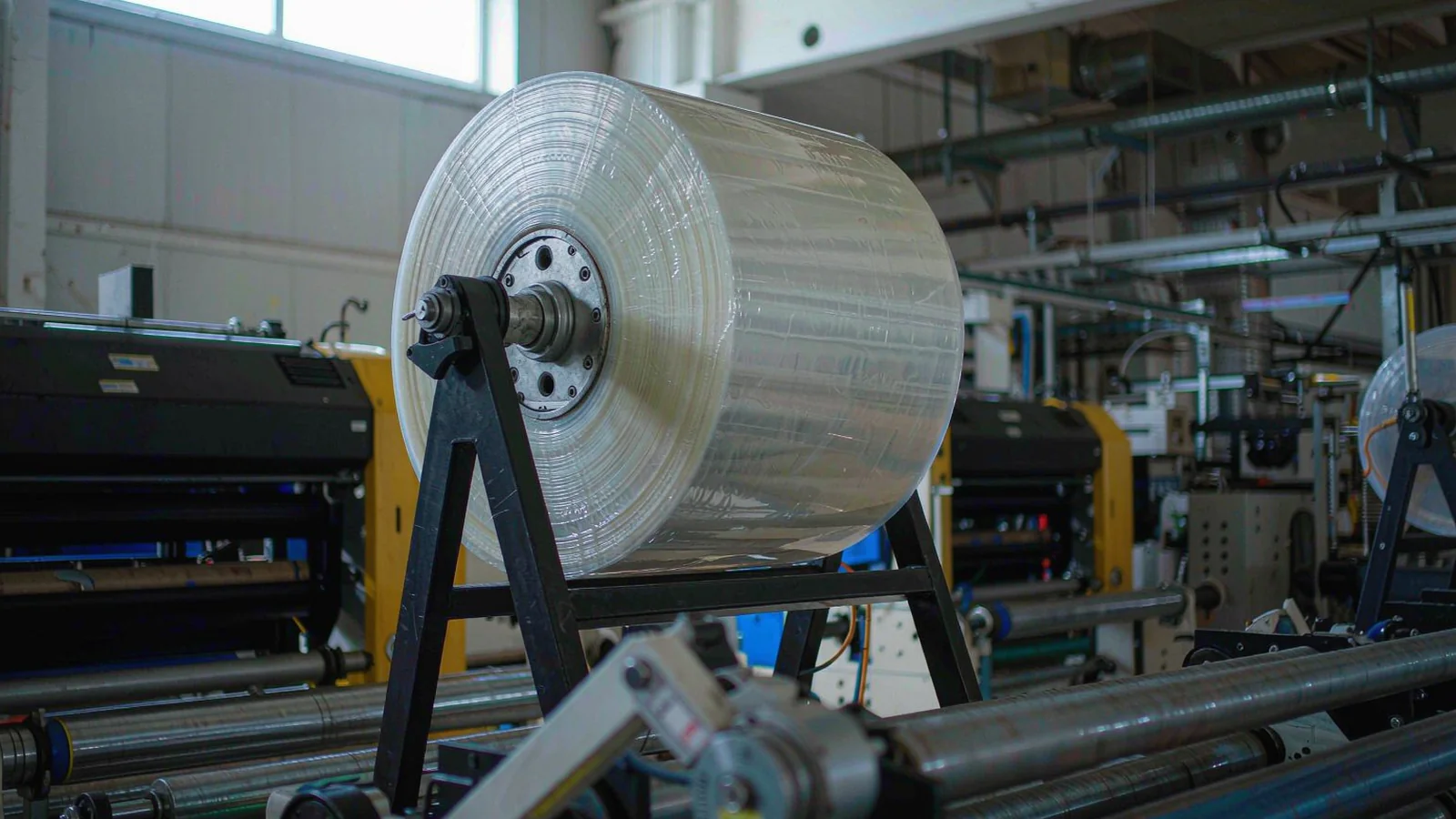

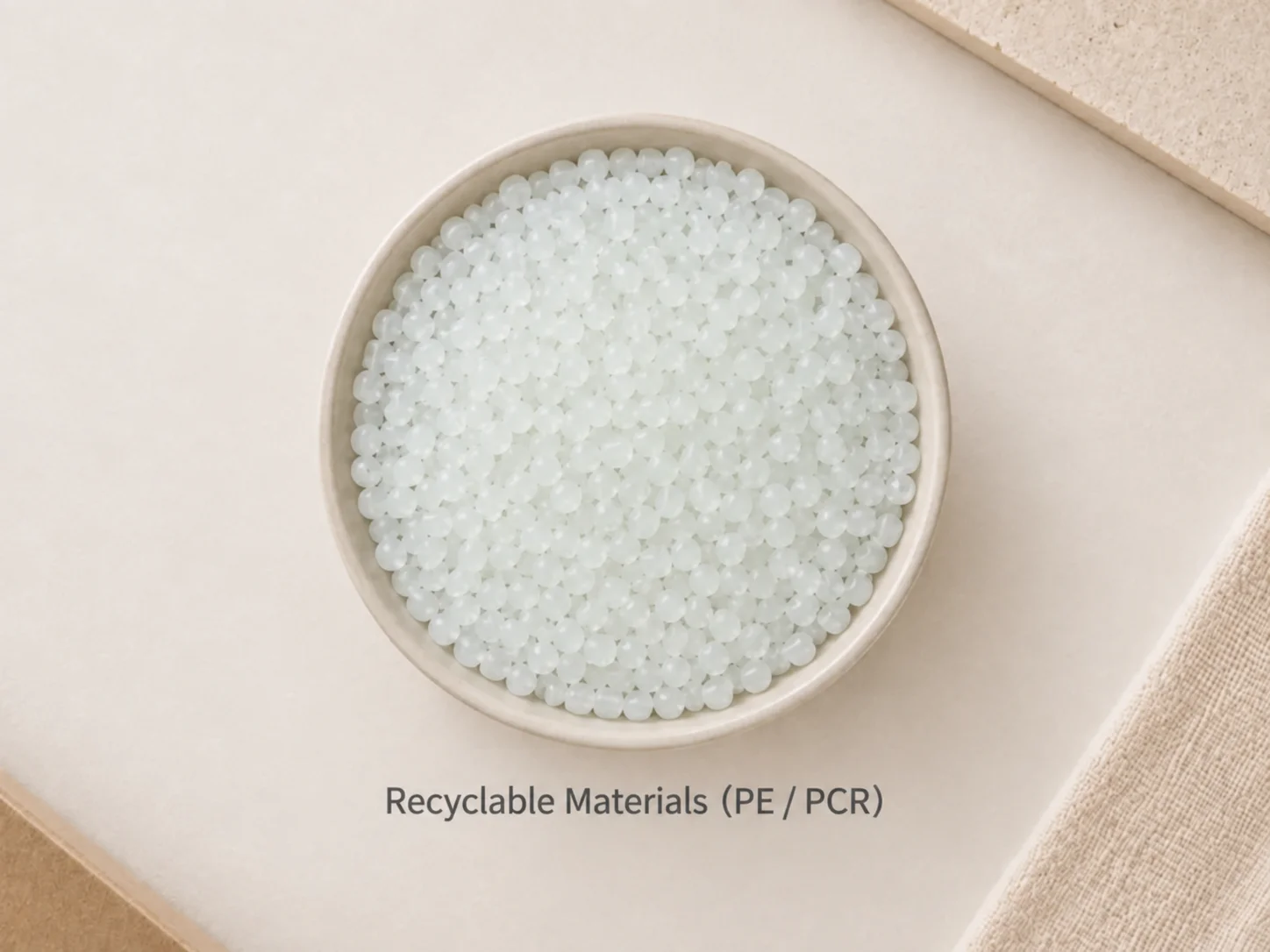
“Recyclable coffee bag” describes a design goal, not an automatic disposal instruction. A bag can use a polyethylene-based film and still need a structure-specific assessment before a brand puts a recycling claim on pack. The valve, zipper, inks, barrier layer and collection system in the sales market all matter. This guide sets out the checks to make when comparing a recyclable candidate with a conventional coffee pouch.
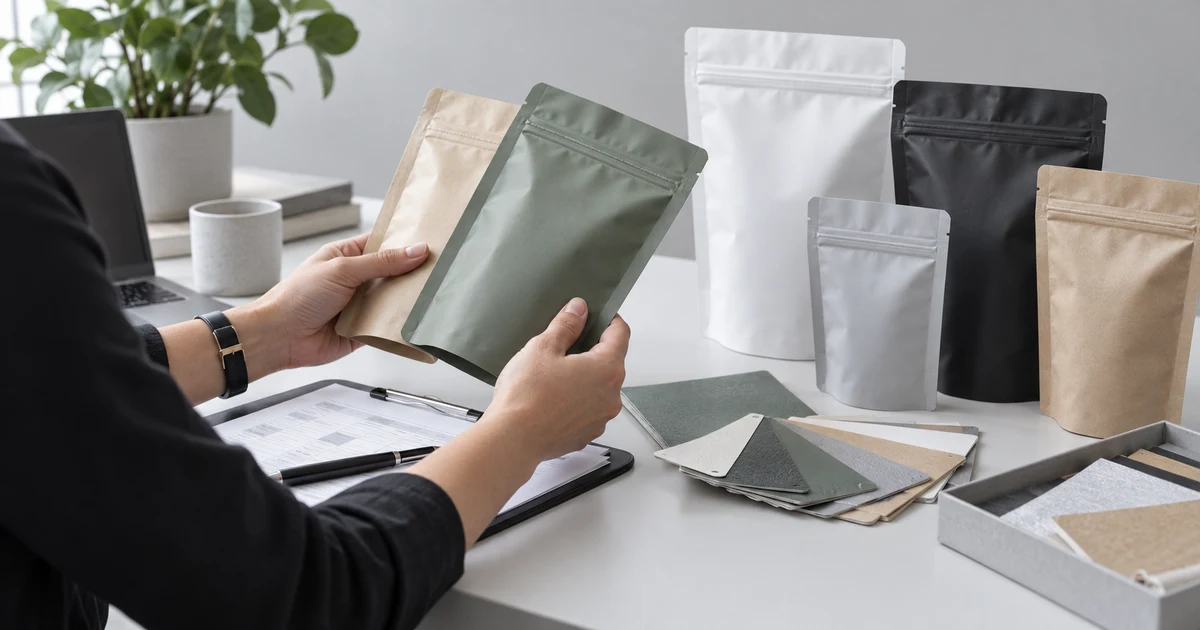
Start with the complete bag specification
Ask the supplier for a layer-by-layer structure, including the printed film, barrier, sealant, adhesive and any coating. List every attached part: a one-way valve for freshly roasted coffee, zipper, label and any spout or fitment. “Mono-PE” is useful shorthand for a PE-based design, but it does not prove that the finished pack will be accepted by a particular recycling stream.
Request the assessment or test evidence for the exact structure and its destination market. RecyClass distinguishes design-for-recycling assessments from country-specific recyclability certification; its claim guidance ties a certification to the final pack and named geography. A supplier’s certificate for a different film or a generic resin statement is not enough to support a claim about your finished coffee bag. Review RecyClass’s claims guidance.
Check the barrier against the coffee, not an adjective
Whole beans and ground coffee need a barrier and seal plan suited to their intended distribution and shelf-life target. Compare candidate structures using the supplier’s oxygen and moisture transmission test data, then validate the filled pack under the storage and handling conditions that matter to your product. Do not infer an equivalent shelf life from a film description alone.
Some PE-based designs use an EVOH barrier. Its presence does not by itself settle the recycling question: the amount, tie layers and full construction affect compatibility. RecyClass reports that EVOH at up to 5% of the total PE film weight had a minor impact in the tested PE-film context; that finding does not certify every EVOH coffee pouch. See RecyClass’s barrier-film findings. For the underlying barrier and valve choices, see PurestPack’s coffee materials and valves guide.
Include the valve, zipper and printing in the review
A coffee pouch is sold as one pack. Confirm whether its valve and closure are compatible with the proposed recycling stream and whether a consumer must remove anything before disposal. Ask how heavy ink coverage, metallisation or other finishes affect the assessment. If a supplier proposes a recyclable film, request a drawing and sample with the same components that will appear on the production pack.
Assess food-contact suitability separately. A recycling assessment is not a food-contact declaration, and a food-contact declaration does not establish recyclability. Ask for the applicable documentation for the markets where the coffee will be sold and have the brand’s compliance team review the intended on-pack wording.
Make the disposal message market-specific
Collection access varies by country and locality. For example, How2Recycle’s Store Drop-off label is a US-specific route for eligible PE flexible packaging, and its guidance says not every plastic film qualifies. That label should not be copied onto packaging sold elsewhere without the relevant program’s assessment and approval. See the US program’s eligibility guidance.
If your coffee is sold in the EU, review the Packaging and Packaging Waste Regulation (EU) 2025/40 and its phased rules with a qualified local adviser. The regulation’s recyclability criteria and deadlines depend on implementing acts and the packaging placed on that market; an “EU compliant” claim requires a product-specific check. Read the regulation. For Southeast Asian markets, verify local collection and labeling rules in each target country rather than transferring a US or EU mark.
A practical request for quotation
Send the coffee type, pack weight, expected shelf-life target, market, chosen format, whether you need a one-way valve or zipper, artwork and order quantity. Ask for the proposed complete structure, barrier data, relevant food-contact documents, a structure-specific recycling assessment if one exists, and filled samples for seal and line trials. Agree the claim wording only after the evidence and local collection route are checked.
PurestPack offers digital and gravure printing for custom pouches. Digital printing starts at 500 pieces and gravure at 5,000 pieces; suitability of the proposed structure and print route is confirmed per project. For the broader coffee format choice, visit the coffee packaging guide. You can send your coffee packaging brief to discuss candidate structures and samples.
FAQs
Does a “mono-PE” film make a finished coffee bag recyclable?
Assess the exact production bag, including its barrier, inks, valve, zipper and labels, for the intended collection route and sales market. The material name alone does not support a recycling claim.
Can a one-way valve or zipper change the recycling assessment?
Yes. Ask whether the specific components are compatible with the intended recycling stream and whether consumers need to remove any part before disposal.
Can I replace a foil coffee pouch with a PE-based pouch without new tests?
Compare the proposed structures’ barrier data and trial filled packs under the intended storage and handling conditions. A film description alone cannot establish equivalent performance or shelf life.
Does a recycling assessment also confirm food-contact suitability?
No. Request applicable food-contact documents for the proposed pack and review them separately for each sales market.
Can I use the same recycling label in every country?
Check the collection route, labeling rules and any required program approval in each market before finalising the on-pack wording.