
Resealable pouches keep snack products sellable after the bag is opened: a reclosable feature is built into the film structure so consumers can close the pack again instead of clipping or folding it. For buyers, the decision is less about the zipper itself and more about three connected choices: which closure design fits the product, how the zipper changes the packing line, and what reclosure does to the product’s actual shelf life. This guide covers those three areas and the points to confirm before ordering.
What Makes a Snack Pouch Resealable?
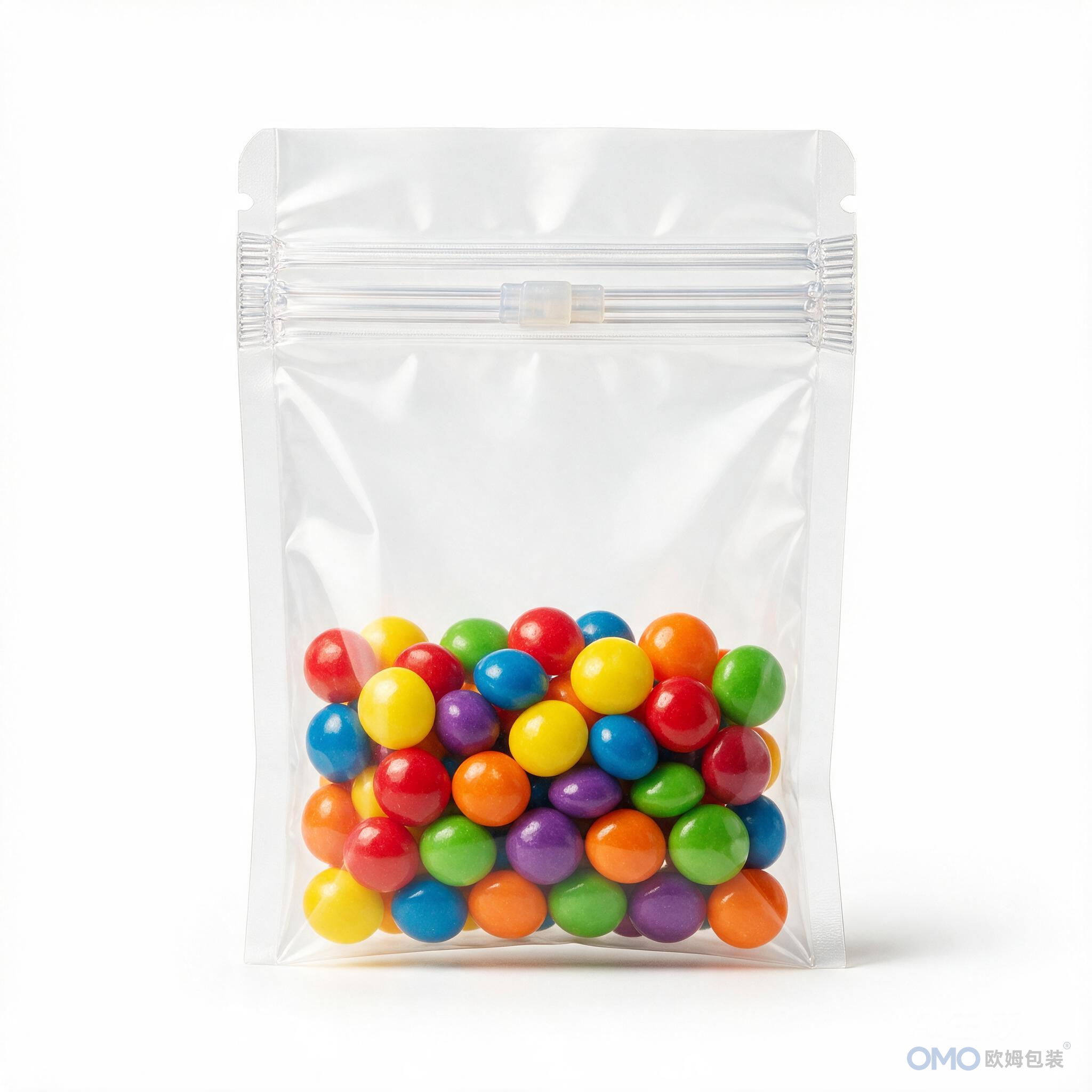
A pouch becomes resealable when a reclosable profile — most commonly a press-to-close zipper, a slider, or a pocket zipper — is sealed between the two film webs before the pouch is formed. The film carries the barrier; the zipper carries the reclosure. That division of labor is worth keeping in mind, because it means the zipper itself is not what protects the product before opening, and the film structure is not what keeps the pack closed after opening. Both have to be specified, and both have failure modes that show up at different points in the product’s life.
Closure Design Options and Where Each Fits
Three closure families cover most snack applications, and the qualitative comparison below reflects industry practice rather than a specification; the final choice should follow a packing trial on your line.
| Closure type | Typical fit | Points to watch |
|---|---|---|
| Press-to-close zipper | Everyday snack formats from single-serve to family packs | Closing feel and alignment depend on web tension and zipper width |
| Slider zipper | Larger bags opened and closed repeatedly | Slider adds assembly cost and needs a wider seal area |
| Pocket zipper | Premium or flexible-format packs where the pull tab sits inside a pocket | Pocket forming adds a converting step and affects artwork layout |
Format matters as much as closure type. A resealable feature is most common on stand-up pouches and flat-bottom pouches because both formats carry a flat back seal area where the zipper integrates cleanly. On pillow bags and vertical-format snacks, the zipper is less common and the same reclosure job is often done with a tape or a fold-over seal instead.
How Reclosing Changes the Packing Line
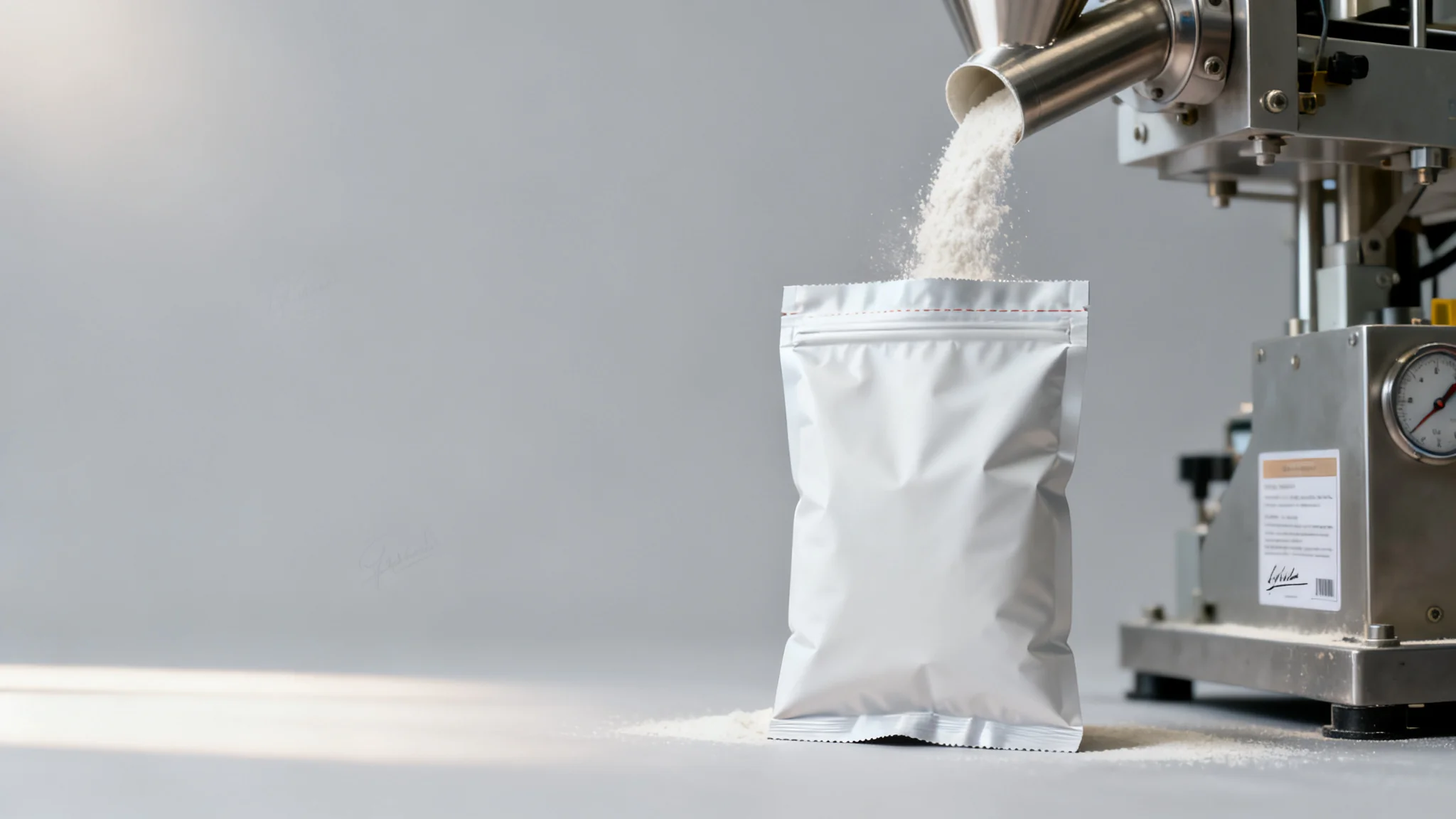
Adding a zipper changes the film supply, the forming section and the quality checks. The film arrives with the zipper pre-applied, so the former has to handle a stiffer, thicker web; forming shoulders and tension settings usually need adjustment when a line switches from plain film to zipper-carrying film. Seal temperature around the zipper zone is lower than on plain film, so sealing parameters need a dedicated setup rather than a copied recipe. Quality checks gain one more item: pull tests on the zipper weld and a closing-open test on finished bags. None of these steps is exotic, but they explain why the first production run after a format change is often where the issues appear. Planning a trial run with the actual product is the reliable way to surface them.
What Changes After the Pouch Is Opened?
Before opening, the film’s barrier layers decide how fast moisture and oxygen reach the snack. After opening, the zipper takes over, and its job is to slow that process down rather than stop it. A pressed-closed zipper keeps out dust and significantly reduces moisture pickup compared with an open bag, but it does not restore the original hermetic seal. That is why crackers and chips in a resealable pouch still go stale over days, not months, and why the honest framing on shelf life is: reclosure extends the consumption window, it does not extend the printed best-before date. When food-safety or material-compliance questions come up on multilayer snack films, the European Food Safety Authority’s food contact materials topic page is a useful neutral reference point.
For buyers, one practical consequence follows: if the product is moisture-sensitive and the consumption window matters commercially, pairing the zipper with an adequate film barrier matters more than upgrading from a press-to-close zipper to a slider. The closure and the barrier solve different problems.
Where Do Resealable Pouches Work Best?
This applies to snacks consumed over multiple sittings: family-size chips and extruded snacks, nuts and trail mixes, dried fruit, bakery treats, pet snacks and candy sold in larger formats. Reclosure also earns its place where the pack travels — lunchbox formats and on-the-go portions — because the consumer needs a credible way to close the bag. It fits less well on single-serve impulse formats, where the added cost and converting complexity bring no benefit, and on products where the whole pack is consumed at once. If the reclosure feature would not change consumer behavior, the budget usually works harder in the film structure or the print.
Choosing Checklist for Buyers
- Define the product and the consumption pattern: single-sitting or multi-sitting, moisture sensitivity, oil content.
- Choose the format: stand-up, flat-bottom or pillow, and confirm where the zipper will sit relative to the artwork.
- Choose the closure family and width, and decide if a slider is justified by pack size.
- Confirm the film structure against the product’s barrier needs, not against the zipper.
- Check the filling line: film stiffness, forming shoulder, seal temperature around the zipper, and add a zipper pull test to the QC routine.
- Run a trial with real product, then verify closing feel and opening force on samples from that run.
Key Takeaways
- The film carries the barrier and the zipper carries the reclosure; specify and test them separately.
- Slider and pocket zippers solve real problems on large packs but add converting cost on small ones.
- A closed zipper slows moisture pickup; it does not restore the original hermetic seal or extend the best-before date.
- The first run after switching to zipper-carrying film is where line issues appear; plan a trial run.
For category-level context, the candy and snack packaging solutions page shows how resealable formats sit within a broader snack range. The custom snack bags product page lists the pouch and print parameters buyers normally confirm, the zipper pouch selection guide compares zipper options in more depth, and the stand-up pouches page explains the format most resealable snacks are built on.
Conclusion
Resealable pouches for snacks succeed when the closure, the format and the film are chosen as one system: the zipper matches how often the pack is opened, the format matches the shelf and the filling line, and the barrier matches the product’s sensitivity. Buyers who define the consumption pattern first, then work backward to closure type and film structure, avoid the two common mismatches — paying for a slider on a small pack and expecting a zipper to replace barrier performance. Where any input is still uncertain, treat the first order as a trial and keep samples from that run as the reference for the next one.
Frequently Asked Questions
Do zippers weaken the moisture barrier of the pouch?
No. The zipper is sealed between the film webs, and the barrier is provided by the film layers themselves, so a correctly converted resealable pouch protects the product as well as the same film without a zipper. What the zipper does change is the converting process and the sealing parameters around its zone. Verify with a weld pull test and a finished-bag closing test during the trial run.
Can resealable pouches run on an existing snack filling line?
Yes, but only after adjustments. Zipper-carrying film is stiffer than plain film, so forming shoulders and web tension usually need retuning, and the seal temperature around the zipper zone is lower than the plain-film recipe. Most lines handle the change with a dedicated setup and a QC step for zipper welds. A trial run with the real film and product shows if any parts need changing.
Which snacks justify a slider instead of a press-to-close zipper?
Sliders pay off on large-format bags. When consumers open and close a pack many times, as with family-size chips or bulk nut mixes, a slider is easier to align and reclose. On single-serve and mid-size packs, a press-to-close zipper does the same job with less converting cost. Let pack size and consumption pattern drive the choice rather than the feature list.
What should buyers prepare before ordering resealable pouches?
Prepare a short but complete brief for the resealable pouches. Cover the product profile, target pack weight and format, the closure family and width, artwork files that account for the zipper zone, and the filling line’s film handling details. Sharing these points lets suppliers propose film structures and closure options that actually fit the line, and it makes sample comparison meaningful.