
PURESTPACK | Custom Flexible Packaging Manufacturer

Sustainable PackagingDesigned for a Better Future

Sustainable flexible packaging designed to reduce material impact while maintaining the performance your products need.

Sustainable flexible packaging1
OUR SUSTAINABILITY APPROACH

Sustainable Packaging Starts with Better Decisions

Our approach to sustainable flexible packaging focuses on four areas: reducing material use, improving recyclability, using renewable resources where appropriate, and considering practical end-of-life options. Each solution is designed around the product, performance requirements, and local market conditions.

Designed for a Changing Packaging Landscape

Sustainability in Practice

As packaging regulations continue to evolve, we develop our sustainable packaging solutions with changing market requirements in mind. The EU Packaging and Packaging Waste Regulation (PPWR), Regulation (EU) 2025/40, is introducing stricter requirements around packaging reduction, recyclability, recycled content, and waste prevention.

We follow these developments closely and work with customers to explore packaging structures that balance regulatory expectations, product protection, and practical production needs.

Sustainable Flexible Packaging Custom Pouches
OUR SUSTAINABLE PRINCIPLES

Four Principles Behind Our Sustainable Packaging

LESS MATERIAL
Reduce unnecessary material use through optimized structures and dimensions.
BETTER RECYCLABILITY
Prioritize mono-material and recycling-friendly packaging structures.
RENEWABLE RESOURCES
Use renewable and bio-based materials where they are appropriate.
RESPONSIBLE END-OF-LIFE
Consider practical recycling, reuse, or composting pathways for each market.
OUR MATERIAL OPTIONS

Sustainable Packaging Solutions

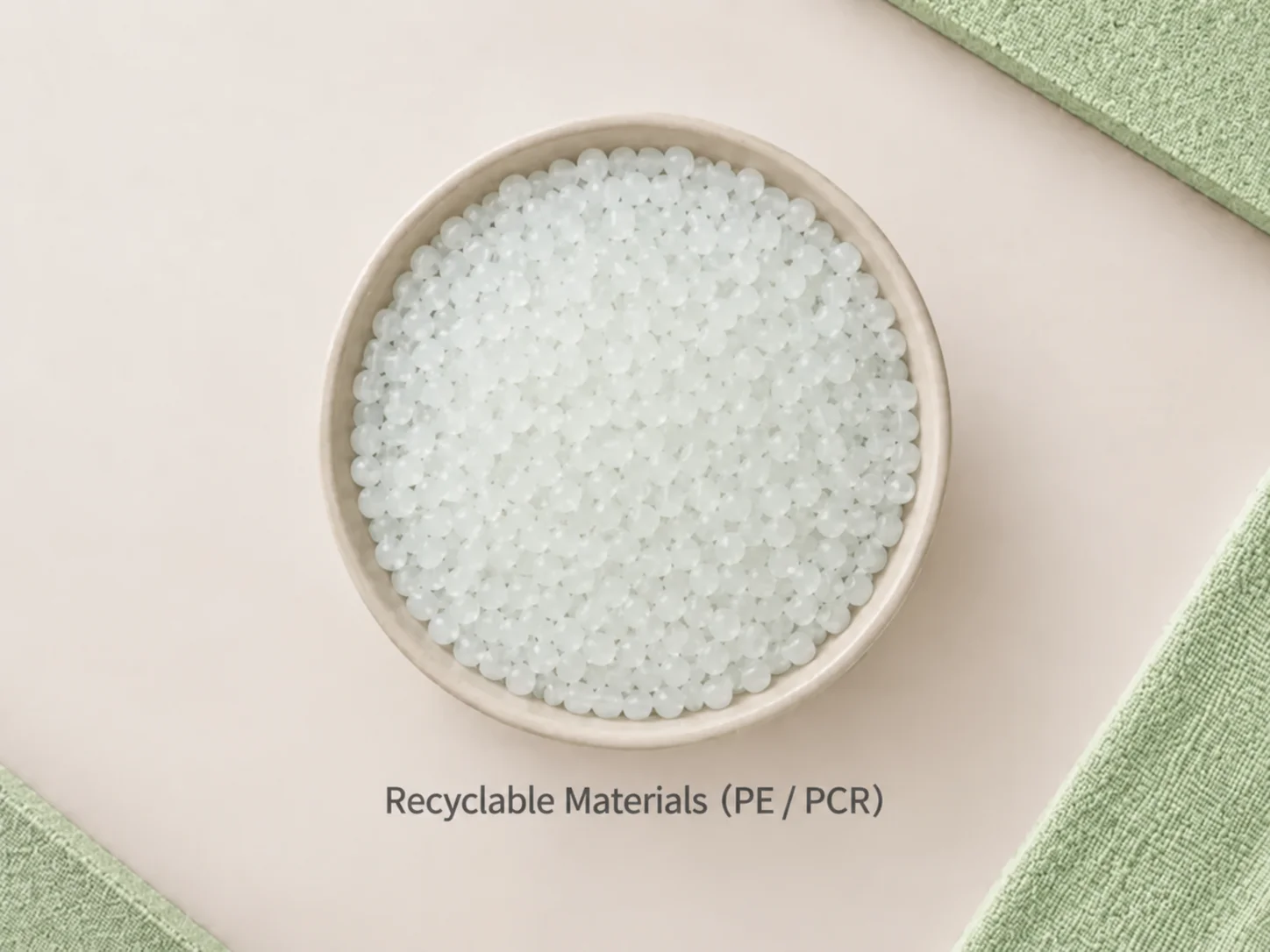
Recyclable Materials

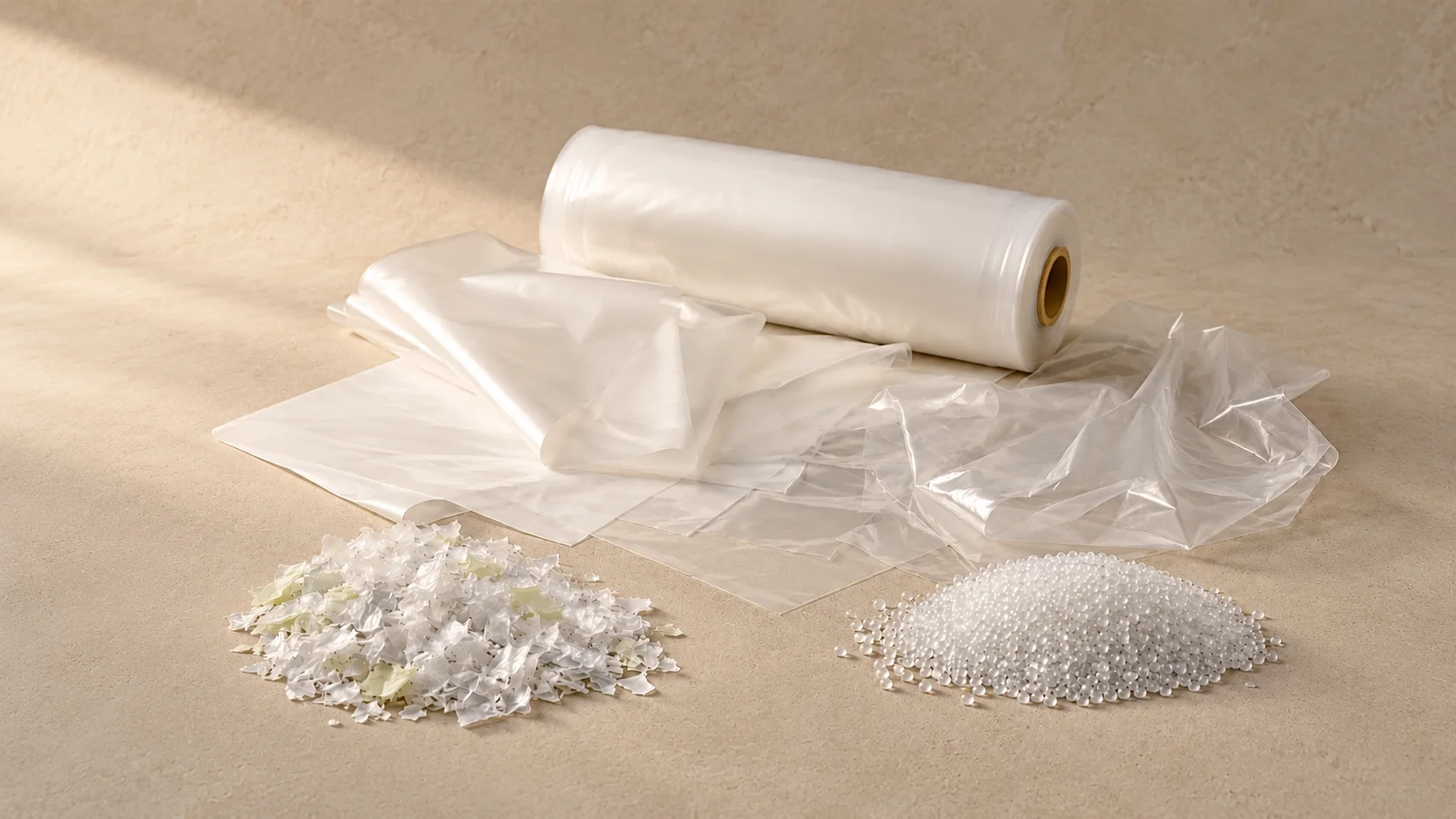
Recyclable packaging is designed to support existing recycling streams through mono-material or recycling-friendly structures. Typical options include Mono-PE, Mono-PP, and selected high-barrier recyclable structures. These solutions help reduce packaging waste while maintaining the sealing, strength, and product protection required for practical applications.

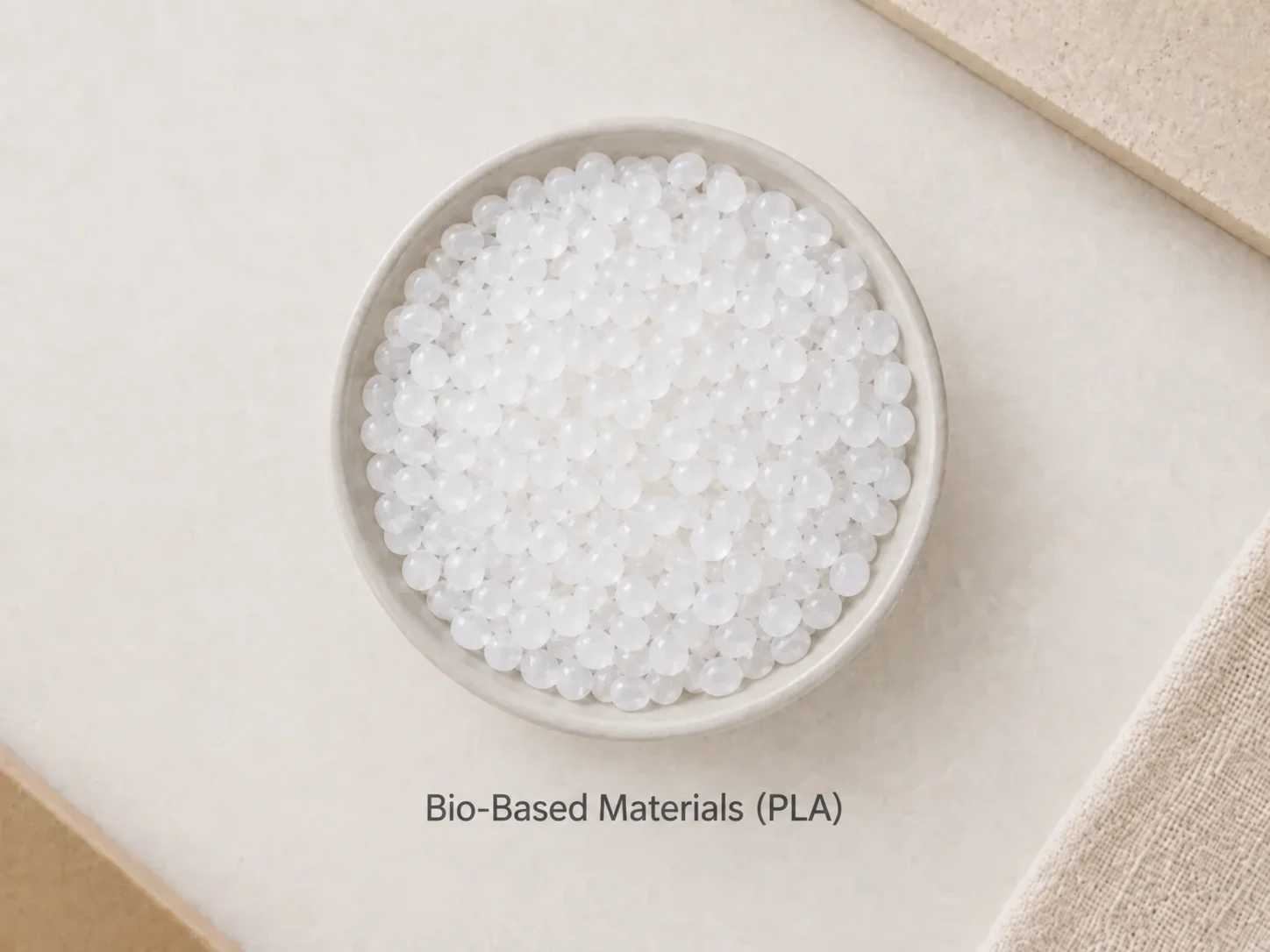
Bio-Based Materials
Bio-Based Materials

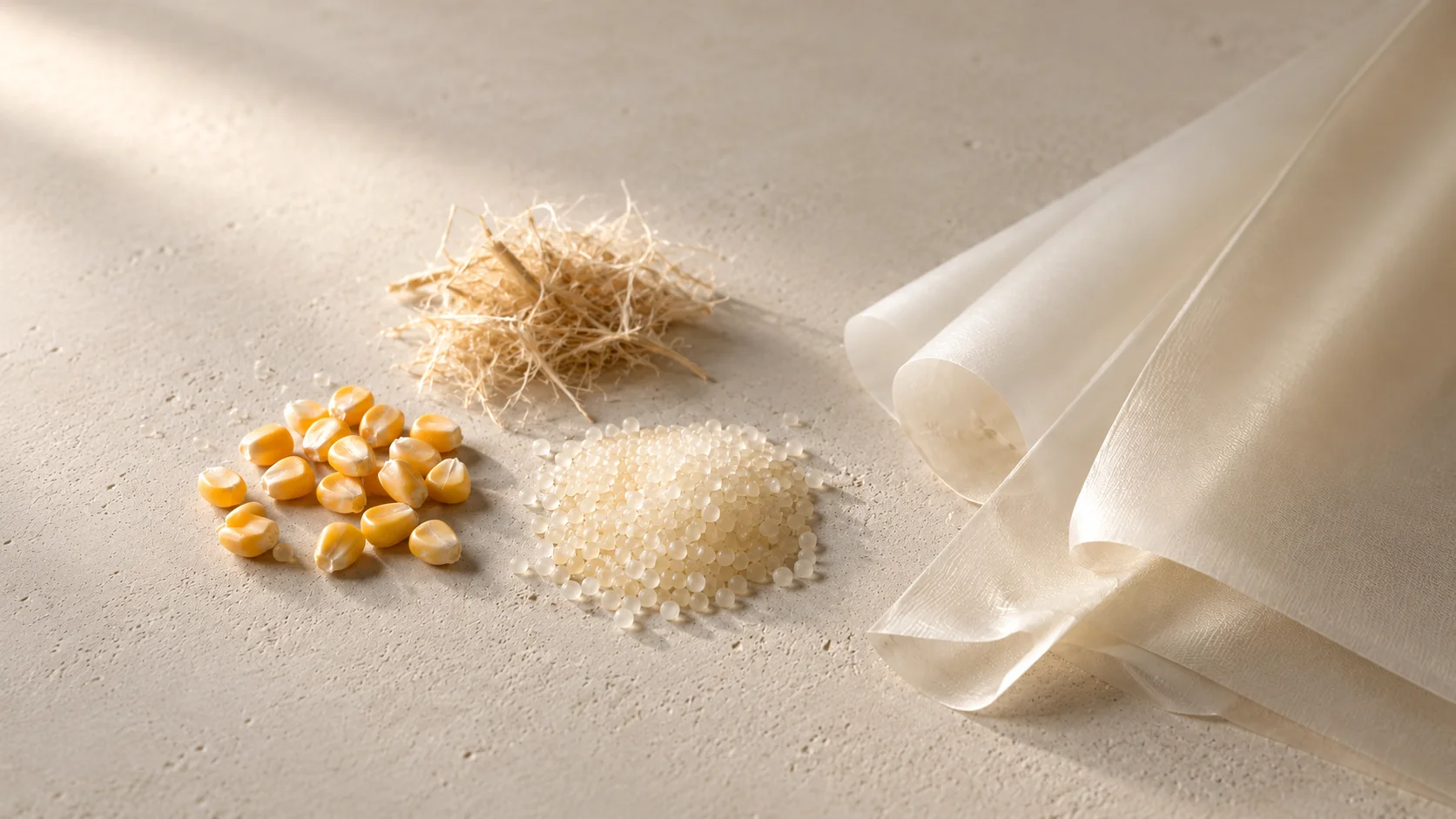
Bio-based packaging uses materials derived partly or fully from renewable resources to reduce reliance on fossil-based feedstocks. It can offer reliable barrier, sealing, and printing performance for selected applications. Bio-based refers to the material source and does not automatically mean the packaging is compostable or biodegradable.

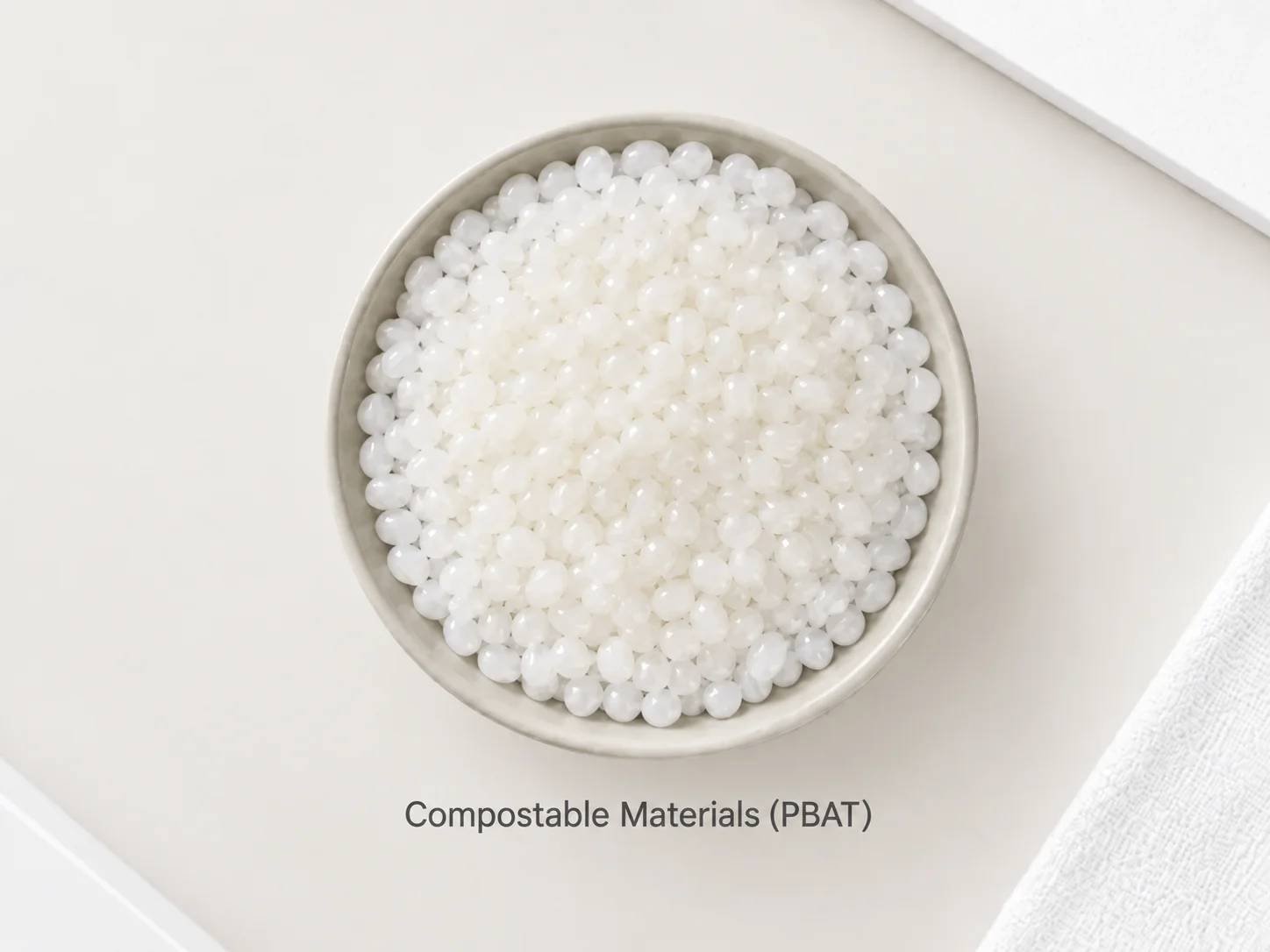
Compostable Materials

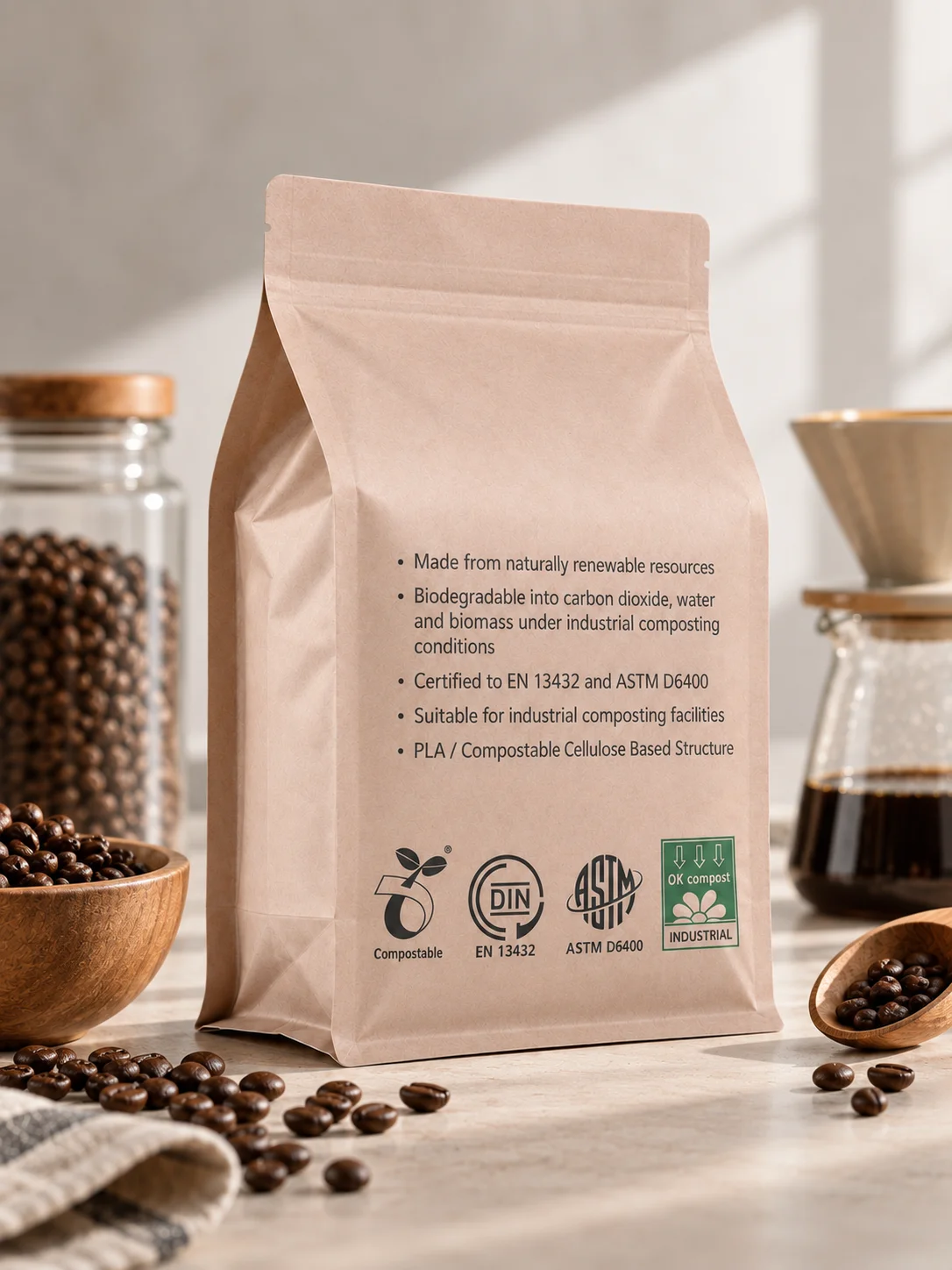
Compostable packaging is developed for applications where a suitable composting route is available. Common options may include PLA, PBAT, cellulose-based materials, or other compostable structures. These solutions are best suited to specific products and should be evaluated according to relevant standards and local composting conditions.

Materials We Use for Sustainable Packaging

Sustainable Raw Materials

Recyclable Materials sustainable flexible packaging
Supports recyclable packaging structures while reducing the use of virgin plastic through selected PCR content.
PLA-Bio-Based-Materials sustainable flexible packaging
Derived from renewable resources and suitable for selected packaging applications requiring bio-based material options.
Compostable Materials sustainable flexible packaging
Provides flexibility and processability for selected compostable packaging structures and applications.
SUSTAINABLE PACKAGING APPLICATIONS

Sustainable Packaging Across Different Applications

FAQ

Sutainability Packaging FAQ

Can sustainable packaging look the same as conventional packaging?
Yes. In many applications, sustainable packaging can achieve a very similar look and feel to conventional flexible packaging, including comparable print quality, colors, transparency, and surface finishes. In most cases, the difference is mainly in the material structure rather than the visual appearance.
Can sustainable packaging provide the same barrier performance?
In many applications, yes. High-barrier recyclable structures and optimized material combinations can provide strong oxygen, moisture, and aroma protection. The right structure depends on the product and required shelf life.
Which sustainable material is best for my product?
There is no single material that works for every product. We evaluate product contents, barrier requirements, filling process, storage conditions, target market, and end-of-life options before recommending a suitable structure.
Is recyclable packaging more expensive than conventional packaging?
Costs can vary depending on the material structure, barrier requirements, order quantity, and printing specifications. In some cases, material simplification and structure optimization can help control overall packaging costs.
Can PCR materials be used for food packaging? PCR
Yes, but only when the PCR material is specifically suitable and approved for food-contact applications. The use of PCR in food packaging depends on the material source, recycling process, regulatory requirements, and final packaging structure. For food-contact packaging, we recommend selecting compliant food-grade PCR solutions based on the requirements of the target market.
Contact

Contact Us for Custom Packaging

=