

A zipper pouch lives or dies by one detail: whether the zipper still seals after the customer has opened and closed it twenty times. Buyers often compare zipper pouches on price and print quality, then discover the real complaint is a zipper that will not stay shut. This guide explains the main zipper types, how each one seals, and how to choose the right one for a product rather than for a catalogue photo.
How Zipper Pouches Actually Seal
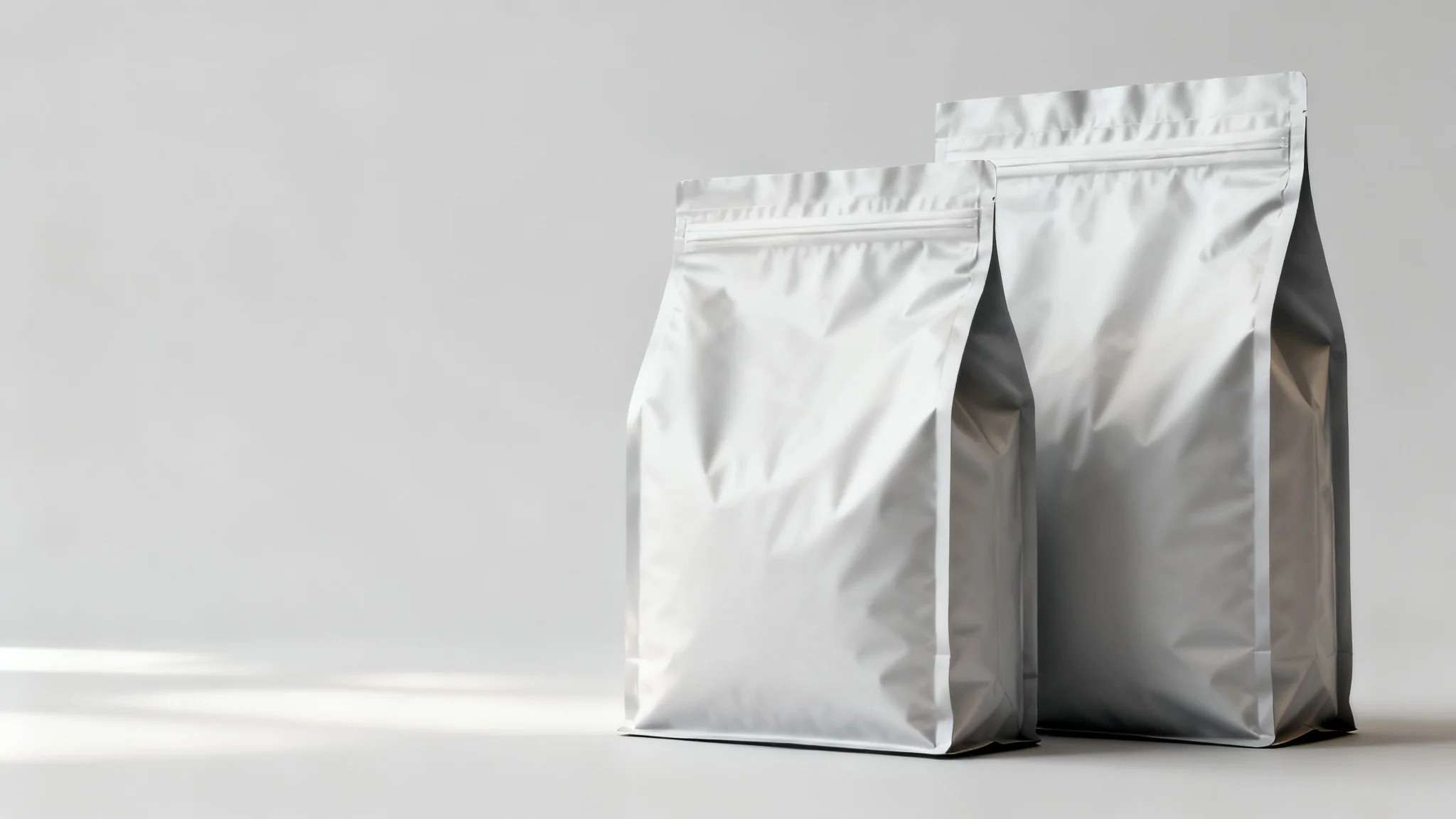
A press-to-close zipper is two extruded profiles that interlock when pressed together. The seal quality depends on profile geometry, the thickness of the film it is welded to, and how much pressure a user applies. A slider zipper adds a moving clip that forces the profiles together, which gives a more consistent seal for larger formats. In every case the zipper is only as good as the weld that attaches it to the pouch body.
The Main Zipper Types
Standard press-to-close zippers suit small and medium pouches where the customer opens the pack often. Slider zippers are chosen for larger or heavier formats, such as pet food and bulk snacks, because the slider removes the need for a strong pinch. Child-resistant and tamper-evident variants exist for regulated products. Pocket zippers sit below the tear notch so the pouch can be opened cleanly and resealed above the product line.
Matching the Zipper to the Product
Powders and fine granules demand a tight, low-tolerance profile, because a loose zipper lets dust collect in the tracks. Fatty snacks and dried meat need a zipper that survives repeated handling and resists oil contamination. Frozen products need a zipper that keeps its flexibility at low temperature. For anyone specifying a larger format, the interaction between gussets, handles and closures is covered in our guide to large pet food bags.
What to Test Before Approving a Zipper Pouch
Do not approve a zipper pouch from a single sample photo. Test the open-and-close cycle at least twenty times and check whether the profiles still grip. Run a leak check to confirm the pouch still holds pressure after the zipper has been used. Check the weld line for wrinkles that could channel air. For moisture-sensitive products such as soft chews, combine the zipper test with a shelf-life check, because a slow leak shows up as a texture problem rather than an obvious breach.
Common Zipper Pouch Mistakes
The most expensive mistake is specifying a zipper that is too narrow for the pouch opening, which makes it hard to close. The second is ignoring film thickness, since a zipper welded to a very thin film can tear at the weld. The third is ordering a zipper the filling line cannot handle, which slows the line and increases waste. Specify zipper, film and filling equipment together.
Zipper Pouch Cost and Shelf Impact
A zipper adds material and a welding step, so it raises unit cost over a plain pouch. The return comes from usability and reduced waste: a pouch the customer can reseal stays in use longer and generates fewer complaints about stale product. For products sold in larger formats the trade-off usually favours a zipper, while small single-serve packs may be better served by a tear notch and an outer carton.
Specifying a Zipper Pouch Correctly
Bring the product, the filling equipment and the shelf-life target into the same conversation. If the zipper, the film structure and the filling line are specified separately, the pouch may pass a sample review and still fail in production. Freeze testing, leak testing and repeat-use testing should all happen before the first bulk order, not after.
If you need help choosing a zipper pouch for a specific product, send the specification through our contact page and we will advise on zipper type and structure. You can also review our flexible packaging range at purestpack.com.
