Gummies can change inside a sound-looking pouch. Some dry at the edges and become tough. Others absorb moisture, turn tacky and begin to clump. Sour sanding migrates around the pack, while oil- or wax-coated pieces behave differently again. Those changes come from the recipe, process and storage climate as much as from the film.
For that reason, a gummy package should be developed around the finished candy rather than a generic confectionery specification. The useful starting data are water activity, moisture, coating, acid and sugar system, piece geometry, target texture and the time consumers are expected to keep the pack open.
Moisture can move in either direction
The USDA Agricultural Research Service explains that water activity is different from total moisture content. That distinction matters for gummies: two recipes with similar moisture can respond differently to the same room humidity.
In a humid market, a gummy may take up water and become sticky. In a dry climate, it may lose water and firm up. Package development therefore needs an acceptable texture range and storage trials on both sides of the expected climate, not simply a request for the lowest possible transmission value.
Coatings affect filling and sealing
Sugar, acid sanding, starch, oil and wax all change how pieces move through hoppers and weighers. Loose particles can enter the top seal. Oil can spread across the inner surface. A wide seal is not a complete answer if contamination continues to cross it.
During trials, watch the product drop, vibration, headspace and time before jaw closure. Test seal consistency using bags filled at ordinary production speed. The worst-looking pieces and the fines from the bottom of a tote belong in the trial; perfect hand-selected gummies do not represent production.
When a zipper helps—and when it gets in the way
A zipper makes sense for a pack that will be opened over several occasions. It does not recreate the unopened barrier, and it can become difficult to close if sugar collects in the track. Opening width and pouch stability also matter when users reach into the pack.
Ask people to open, remove a serving and reclose filled samples repeatedly. Check whether the zipper sits too close to the top seal, whether gummies lodge above it, and whether the bag remains upright. These observations often lead to a dimensional change rather than a material change.
Clear windows are a measured trade-off
Color is part of the appeal of gummies, so a window can be useful. But the clear panel may not provide the same oxygen, moisture or light protection as the rest of the structure. Window area, product sensitivity and retail lighting should be assessed together.
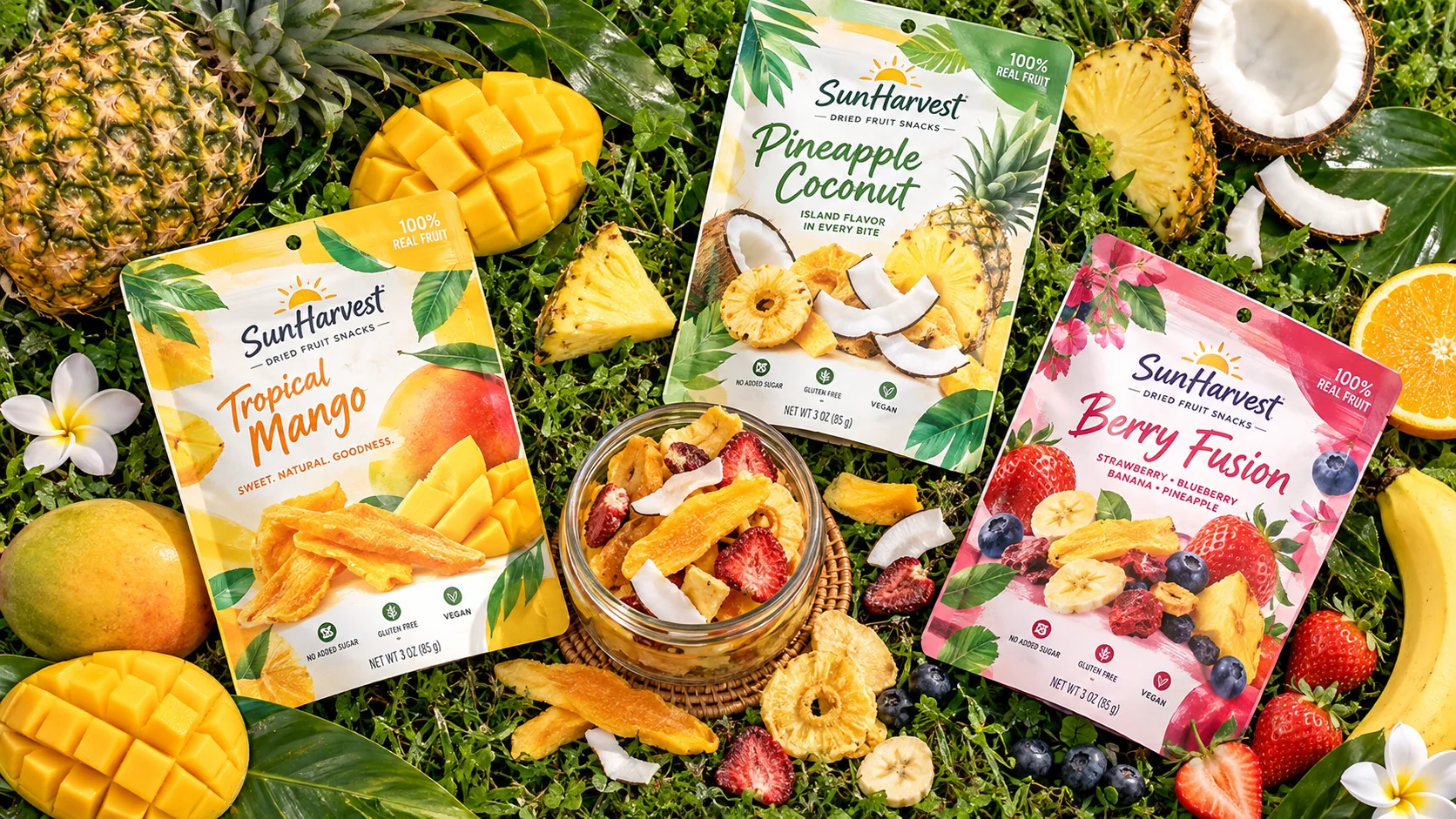
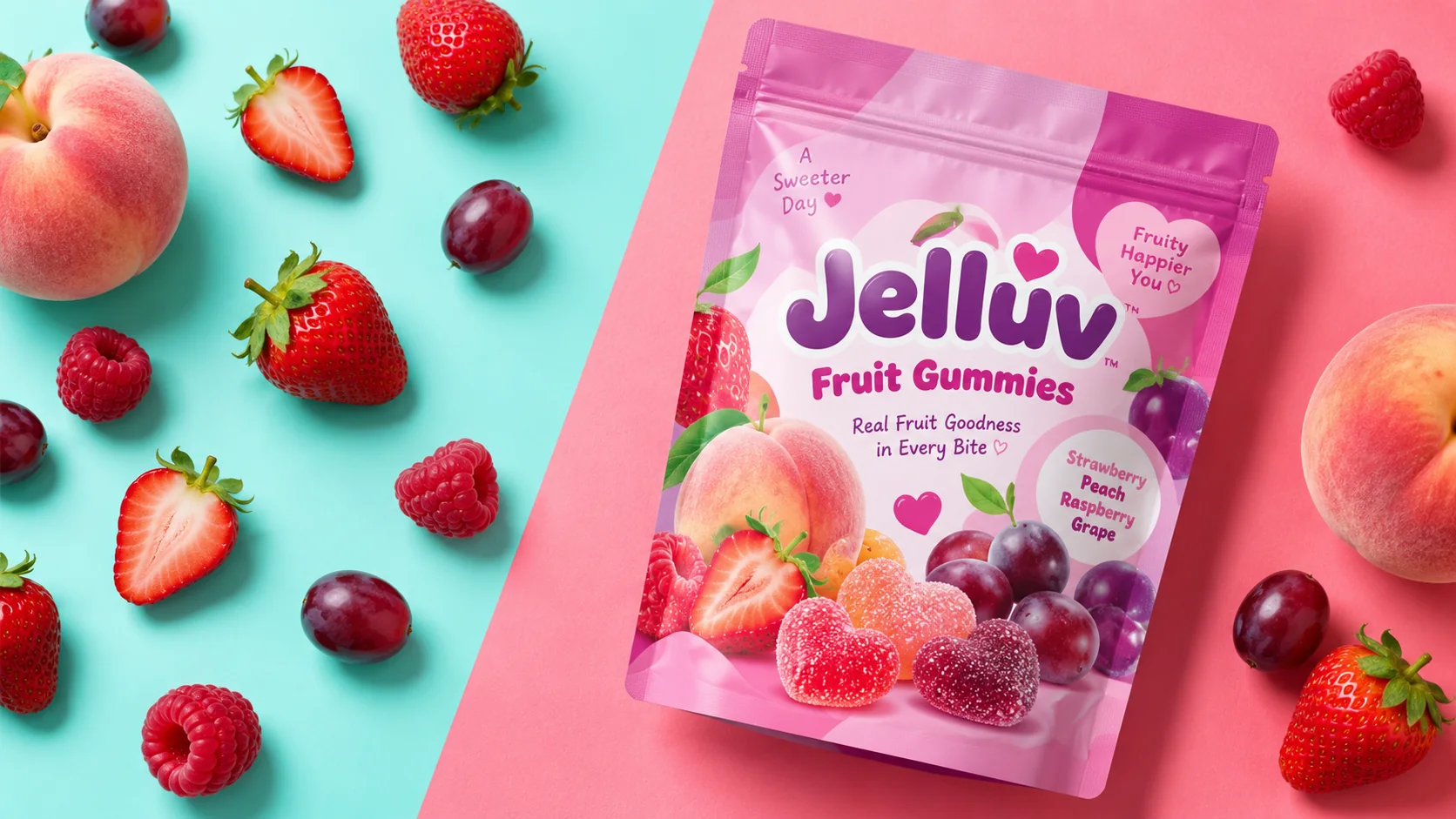
PURESTPACK’s candy and snack packaging page shows common pouch directions. A stand-up pouch can work for multi-serve gummies, while a three-side-seal pouch may suit samples and single portions. The filling method and serving pattern should decide.
Validate the seal as a process window
A commercial line needs a range of temperature, pressure and dwell time within which seals remain consistent. ASTM lists packaging test methods including F88/F88M for seal strength and F1921 for hot tack. Agree on the method and acceptance criteria before production samples are judged.
Finished-pack shelf-life work should record texture, clumping, appearance, flavor and package integrity. Empty-pouch data are useful for screening, but they cannot reproduce coating migration or product in the seal.
Questions that come up in gummy projects
Do sour gummies need a different package?
They may. Loose acid-sugar coating can affect flow, sealing and the consumer’s use of a zipper. Test the actual coated product.
Is a thicker pouch always a better moisture barrier?
No. Barrier depends on the complete material structure and test conditions, not thickness alone.
Can several gummy flavors share one package?
Yes, when the most demanding recipe and coating have been identified and the common structure passes filled-pack trials for every SKU.
A gummy pouch earns approval when the candy still pours, feels and tastes as intended at the end of the planned distribution period. Material labels are only the beginning; the filled pack supplies the evidence.