

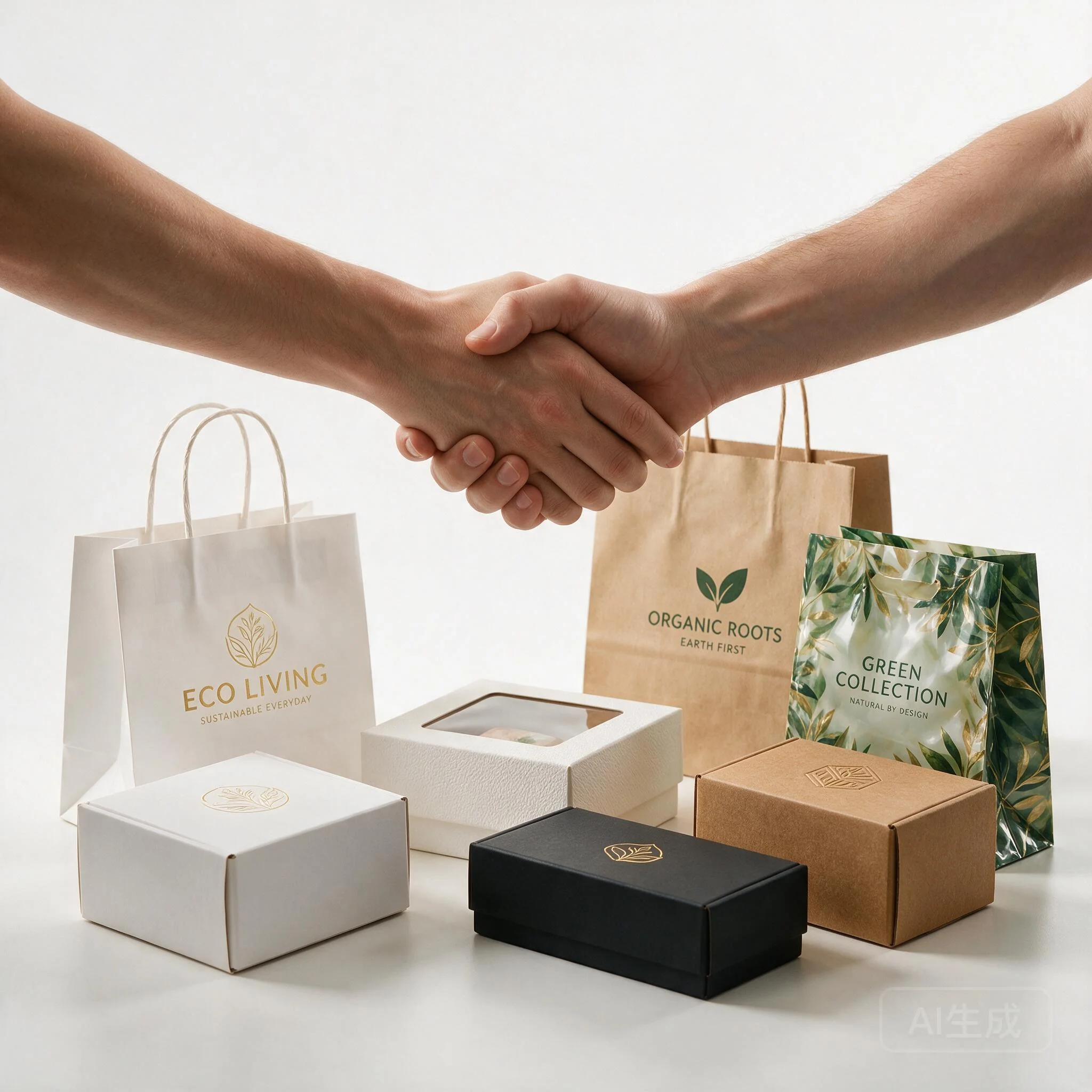
Negotiating with packaging manufacturers is the part of procurement that most buyers dread, and the fear is strongest on a first order. Minimums seem immovable, payment conditions appear fixed, and it is only after the quote arrives that you find your price is above everyone else’s. Yet packaging industry negotiations are not random — they follow recognizable patterns. These seven practical tips will help you walk away with more favorable terms.
Tip 1: Don’t push for a price cut right away
Far too many first-time purchasers lead with “can you make it cheaper?” In this industry that is exactly the wrong opener. Suppliers usually build some margin into their quotes, but when price is the only thing you discuss, they conclude that quality means nothing to you — and they start bidding defensively.
The smarter move is to start by asking about the plant’s capacity, machinery and quality assurance systems. Communicate that you plan to stay for the long haul, and the supplier will see you as a customer worth retaining. From that position, price discussions become much more productive, because the factory now has a reason to give you a better number.
Tip 2: Start the negotiation from MOQ
The minimum order quantity, or MOQ, ranks among the toughest obstacles in custom packaging. If your initial order falls short of the factory’s standard MOQ, consider these options:
- Combine products to reach MOQ: group pouch styles and dimensions that use the same film into a single order, spreading the cylinder and material costs across all of them.
- Use stock materials: ask the factory to produce from film already sitting on its shelf, which eliminates customization expenses — plants tend to relax their MOQ quickly in that situation.
- Choose digital printing: without plate-making or plate-change charges, the MOQ can fall to a few hundred units, or even a few dozen.
- Bear the plate-making fee: when the MOQ itself will not move, offer to cover all or part of the plate cost — that gives the supplier the flexibility to compromise.
Tip 3: Define your bottom line on payment terms
Here is how payments typically work in the packaging industry:
- New customers: usually a 30% deposit with the remaining 70% settled before shipment. This is the industry norm and seldom changes.
- Returning and long-term customers: terms like 30% down with the balance due within 30 days become achievable, sometimes even better.
- Large orders: bigger order values unlock installment arrangements, such as paying in tranches as batches ship.
One word of warning: do not request credit terms on your very first order. Lending credit to a brand-new customer is genuinely risky for a factory, and you can be sure that risk is priced back into your quote. Build trust across a couple of orders first, and the credit conversation will flow much more smoothly later.
Tip 4: Negotiate “total cost” instead of “unit price”
The classic error is to focus exclusively on the price per pouch. The real cost of packaging is unit price × quantity plus plate-making fees plus die fees, shipping, sampling and testing combined. A supplier can offer an attractive unit price and quietly recover the margin across those other items, so your final total ends up worse than it appeared.
During negotiation, review every line of the quotation, then ask the factory to provide an all-in figure that includes plates and freight. One simple request, and supplier comparisons suddenly become apples-to-apples.
Tip 5: Leverage the off-season/peak-season timing
Packaging demand follows clearly seasonal patterns:
- Peak season: Chinese New Year gift packs, Mid-Autumn mooncake boxes and Singles’ Day e-commerce orders fill the capacity. When that happens, prices are hard to move and lead times lengthen.
- Off season: from March to April and July to August, production runs below capacity, and orders placed in those windows command noticeably better pricing.
Plan your buying calendar in advance and place orders in the off season; you can usually land prices at 85–95% of the peak-season quote. Suppliers in the off season also turn orders around faster and keep a tighter grip on quality, because their lines are not racing.
Tip 6: Negotiation opportunities at the sample approval stage
Most buyers view sample approval as nothing more than a quality checkpoint. In fact it is a chance to negotiate. When the samples fully meet your expectations, that is the moment to bring up pricing for future orders — the factory has invested real effort in the sampling phase and would much rather keep a satisfied client than chase new ones.
At approval, try saying something like: “The sample quality is excellent and our volume is only going up. Give us a better price and we will sign an annual framework agreement.” A supplier’s readiness to cooperate rarely reaches higher than it does at that instant.
Tip 7: Establish expectations of long-term cooperation
For a packaging factory, nothing beats a steady stream of orders. Show that you bring lasting value as a partner, and the concessions you win will go beyond what any one-off negotiation could deliver:
- Annual agreements: pledge a yearly purchase volume and negotiate tiered pricing, where bigger volumes translate into lower unit prices.
- Exclusive supply: give a category to one factory exclusively, and ask for their best price in return.
- Early payment: prepay for the entire year, or settle each batch in advance, in exchange for a discount.
- Volume upgrades: shifting from entry-level products to premium lines gives suppliers room to adjust pricing as well.
Summary: negotiation is fundamentally about win-win cooperation
Profit margins in packaging are razor thin. Factories are perfectly willing to discount, but they need a justification: volume, prompt payment, proximity or a durable partnership. Approach the table with “what value can I offer this factory” instead of “can you make it cheaper,” and you will end up with a result better than you expected.
Questions about packaging procurement? Welcome to contact PurestPack and visit Contact Us